La Asamblea colonial británica de las Islas Malvinas, ha aprobado un ambicioso plan de desarrollo urbano de 111 lotes en la zona de Cerro Zapador (Sapper Hill) al suroeste de Puerto Argentino. Presentado como una respuesta al déficit habitacional y los altos costos de alquiler, el proyecto, según informa Escenario Mundial, es un paso crucial y multifacético en la consolidación de la ocupación británica. Este desarrollo no es simplemente inmobiliario; es una estrategia demográfica, económica y de infraestructura diseñada para afianzar el control soberano sobre el archipiélago en disputa.
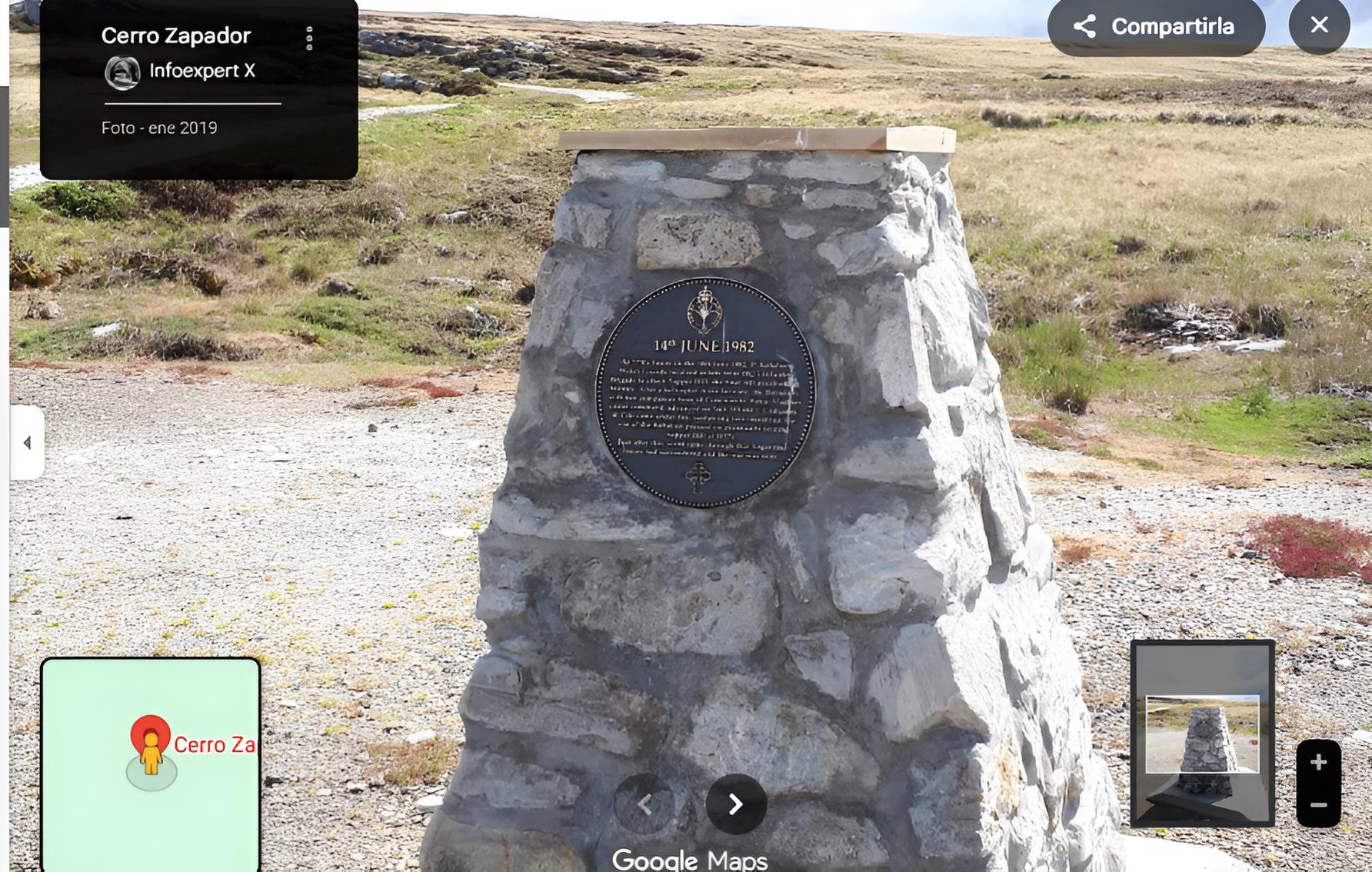
La urbanizacíón se proyecta en un lugar icónico de la guerra de 1982.
El plan de urbanización, un viejo anhelo de la administración colonial, busca fundamentalmente radicar población migrante, para así incrementar el número de habitantes y ampliar la capacidad laboral, técnica y profesional. Una mano de obra que hoy es crítica, y que no permite sostener la expansión de los proyectos económicos británicos. Entre ellos, la explotación pesquera, el muy probable y pronto inicio de la explotación hidrocarburífera en la plataforma submarina circundante, la construcción de un puerto multimodal estratégico y el robusto desarrollo turístico. La infraestructura civil es clave: el desarrollo en Sapper Hill incluye calles ensanchadas, doble acceso y espacio para más de dos vehículos por lote.
En un esfuerzo por modernizar y hacer sostenible la colonia, el plan de urbanización se complementó con la instalación de plantas heliomotrices de generación eléctrica y servicios anexos cruciales. Esto incluye luz, cloacas, internet y, de manera notoria, el desarrollo de la provisión de gas, un proyecto que ha renovado la vinculación con empresas y empresarios de Chile. Esta interconexión estratégica subraya la intención de crear un enclave autosuficiente y plenamente integrado. En esencia, se trata de la normalización del avance colonial a través del crecimiento demográfica, que avanza sistemáticamente bajo el discurso de la "autonomía" isleña, buscando legitimidad internacional.
Este anuncio ocurre semanas después de que el presidente Javier Milei se viera empujado electoralmente a denunciar sin mucho empeño y ante la ONU, la militarización británica en el Atlántico Sur y reafirmara la soberanía argentina, apelando al cumplimiento de las resoluciones de Naciones Unidas y al diálogo bilateral. La respuesta del pseudo gobierno asambleario isleño fue el rechazo inmediato, insistiendo en su supuesto derecho a la autodeterminación, una línea sostenida por el Reino Unido desde hace décadas y que los isleños veneran con el doble discurso de ambicionar ser miembros de los Territorios de Ultramar.
Como bien señala Escenario Mundial, el anuncio se produce en paralelo a los ejercicios que las Fuerzas Armadas británicas se encuentran realizando con fuego real y lanzamiento de paracaidistas, como claro mensaje de estar reforzando su capacidad de proyección hacia la Antártida, junto a socios de la OTAN de la cual el Régimen Libertario quiere ser parte.
Sin embargo, mientras Londres avanza en la ocupación civil, militar y económica, la respuesta oficial de la Cancillería y del Gobierno argentino en general incluida la vicepresidente Victoria Villarruel; brilla por su silencio e inacción diplomática.
La falta de una reacción contundente, clara y concisa frente a la consolidación demográfica y económica de la colonia, y la demostración de poderío militar, no puede ser visto sino como una absoluta flexibilización y permisividad de la gestión de Javier Milei. Postura que facilita de facto la expansión colonial británica sin obstáculos, garantizando la continuidad de una estrategia integral de control territorial, económico y demográfico sobre las Islas Malvinas, lo que contraviene los reclamos históricos de soberanía argentina.
El desarrollo urbano en Puerto Argentino es, por lo tanto, la manifestación más reciente y tangible de esta consolidación, amparada por la inacción oficial de lo que se decide entre cuatro paredes desde Buenos Aires.
Tags
Otras noticias de Malvinas
Gran Bretaña prorrogó por cinco años las licencias petroleras en Malvinas y habilitó la expansión de Navitas
Gran Bretaña activa nuevos ejercicios militares en las Islas Malvinas
Cuarenta empresarios de la colonia británica de Malvinas desembarcarán en Punta Arenas