La política de militarización del Atlántico Sur por parte del Reino Unido, da cuenta de una nueva rotación de tropas de élite en las Islas Malvinas, territorio soberano argentino ocupado ilegalmente desde 1833.
Las British Forces South Atlantic Islands (BFSAI) confirmaron, a través de sus redes sociales; el relevo de la Compañía de Infantería Permanente Rotativa (RIC): la Compañía B del 1.º Batallón del Regimiento Real Irlandés ha asumido oficialmente su rol, sustituyendo a la Compañía I del 2.º Batallón de The Rifles (2 RIFLES). Este movimiento, que se lleva a cabo bajo el lema del Regimiento Real Irlandés, "Faugh a Ballagh" ("Limpia el camino"), garantiza una presencia militar constante y de alta capacidad en el archipiélago.
El traspaso ocurre inmediatamente después de la culminación del intenso ejercicio militar "ExCape Sword" (6 al 14 de octubre), el quinto de gran escala documentado en lo que va de 2025. Estas maniobras, que incluyeron fuego de salva, operaciones anfibias, despliegue de paracaidistas, y el uso de cazas Eurofighter Typhoon, son parte de un proceso sistemático de refuerzo del control británico, sumándose a los ejercicios "Marinización" y "Cape Kukri III" realizados previamente.
Violación sostenida a la resoluciones de la ONU
La continuidad de estos despliegues y ejercicios militares intensivos constituye una flagrante y repetida violación del punto 4 de la Resolución 31/49 de la Asamblea General de las Naciones Unidas (ONU), aprobada en 1976. Esta resolución "Insta a las dos partes a que se abstengan de adoptar decisiones que entrañen la introducción de modificaciones unilaterales en la situación" mientras se buscan vías de solución pacífica a la disputa de soberanía. El despliegue rotativo de unidades como los Gurkhas o, ahora, el Regimiento Real Irlandés, y la intensificación de las maniobras de guerra son una "modificación unilateral de la situación" de hecho.
La estrategia británica es clara: afianzar su ocupación militar, explotar los recursos naturales y consolidar una red logística que extiende su proyección en el Atlántico Sur hasta la Antártida.
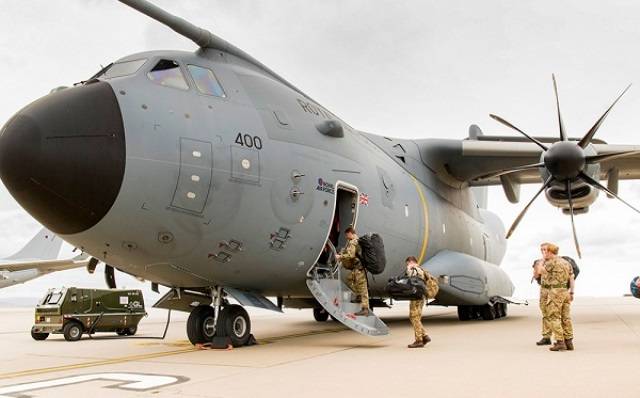
Movimientos aéreos recientes, como el sobrevuelo de un avión del British Antarctic Survey (BAS) sobre espacio aéreo regional, y las escalas logísticas del transporte militar A400M Atlas en países vecinos, evidencian esta política de proyección de poder.
El silencio oficial argentino: un error estratégico
Ante esta escalada militar y la continua violación de las resoluciones de la ONU, la respuesta del Gobierno argentino del presidente Javier Milei sigue siendo la inacción. A diferencia de administraciones anteriores que condenaban formalmente estas maniobras, el silencio actual se interpreta como una peligrosa indiferencia que debilita el reclamo de soberanía nacional y la causa de la desmilitarización regional.
La presencia permanente de sistemas como el RBS 70 y unidades de despliegue rápido, operando bajo el mando de las BFSAI, exige una enérgica respuesta diplomática. El Estado argentino debe retomar la denuncia activa y exigir el cese de las modificaciones unilaterales impuestas por la potencia ocupante, en cumplimiento con el derecho internacional.
Tags
Otras noticias de Malvinas
El documento del régimen colonial británico que expone el gran robo petrolero en Malvinas
De Menem a Milei: 30 años de expropiación petrolera británica en Malvinas
El plan de Navitas para adueñarse de todo el petróleo en el norte de Malvinas