
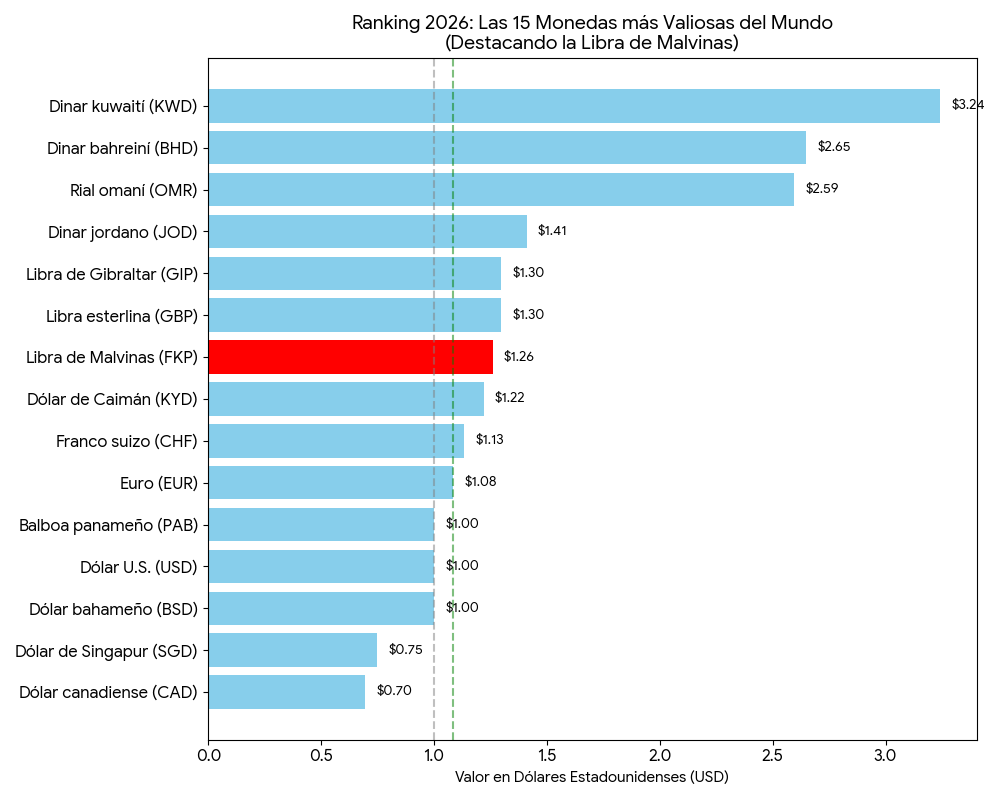
Mientras la economía argentina atraviesa una crisis profunda y su moneda se debilita, a pocos kilómetros de nuestras costas se consolida un fenómeno financiero que debería avergonzar a la dirigencia política nacional: la libra de las Islas Malvinas (FKP) se ha posicionado como la séptima moneda más valiosa del mundo, superando al dólar estadounidense y al euro.
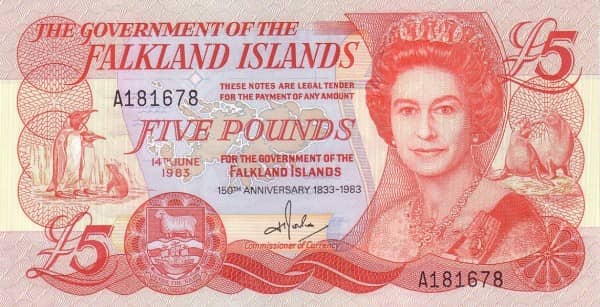
Este dato, revelado por el ranking global de Traders Union para 2026, sitúa a la moneda de la colonia en un valor de $1,26 USD, por encima del euro ($1,08 USD) y el propio dólar ($1,00 USD). No es un "milagro" económico; es la traducción monetaria del saqueo de los recursos naturales argentinos ante la inacción de los gobiernos nacional y provincial de Tierra del Fuego.
Una moneda blindada por el petróleo y la pesca
La fortaleza de la libra malvinera es el termómetro del éxito del enclave colonial. Mientras la Argentina de Javier Milei profundiza el camino de la entrega con el Pacto Mondino-Lammy —reeditando la política de "remover obstáculos" para el invasor—, la colonia utiliza esa libertad para blindar su economía.
La "supermoneda" de las islas se sostiene sobre dos pilares que pertenecen a la Argentina:
1. El Saqueo Pesquero: Licencias ilegales que generan ingresos millonarios en una moneda que hoy vale más que el euro.
2. La Expectativa Petrolera: El éxito financiero de Rockhopper Exploration, que recientemente cerró su capitalización con una sobredemanda del 773%, garantiza que el flujo de petrodólares del yacimiento Sea Lion mantendrá a la moneda colonial en la cima del poder global.
El contraste: La "mesa de guerra" de Londres vs. la desidia del gobierno fueguino
Mientras la petrolera Rockhopper refuerza su directorio con estrategas de riesgos como Richard Slape y su CEO, Sam Moody, aumenta su apuesta personal comprando más acciones, la respuesta argentina es la parálisis:
- El Gobierno de Milei: A través de la Cancillería, ha optado por una política de "confianza" que, en la práctica, le pavimenta el camino a los fondos israelíes (Noked, Exodus, ION) para que inviertan sin temor a represalias legales.
- El Gobierno de Melella: Pese a que el petróleo de Malvinas es recurso de la Tierra del Fuego y la libra malvinera se fortalece con lo que le pertenece a la provincia, la gestión de Gustavo Melella sigue sin hacer lo primero que debería hacer; constituirse como querellante en la Causa 5183/15 que tramita en el Juzgado Federal de Río Grande, justamente contra esas mismas petroleras. La inacción provincial es el complemento necesario para la entrega nacional.
La moneda como arma de ocupación
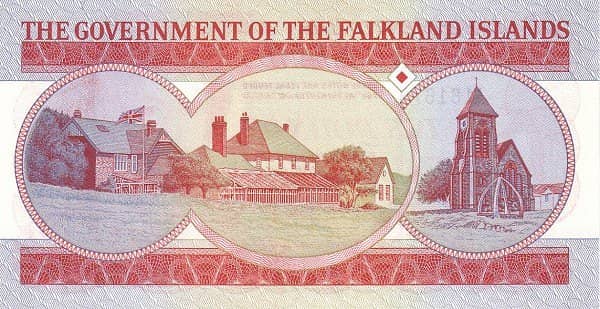
Que una unidad monetaria emitida por una colonia usurpadora tenga más capacidad de compra que el dólar o el euro es una humillación geopolítica. Indica que el Reino Unido ha logrado transformar la ocupación en un negocio de alta rentabilidad, utilizando la pasividad argentina para atraer capitales de Tel Aviv y Londres.
Cada vez que la libra de Malvinas sube de valor, lo que sube es el costo de nuestra propia desidia.
La pregunta sigue siendo urgente: ¿Hasta cuándo permitiremos que la riqueza de 47 millones de argentinos financie la séptima moneda más poderosa del planeta en manos de un invasor?
Tags
Otras noticias de Malvinas
La TV chilena muestra los destrozos que realizan los británicos en el cementerio de Darwin
“Déjennos robar en paz”: los okupas de Malvinas se ofenden porque Argentina les encarece los costos
Gran Bretaña recreó el desembarco del '82 para blindar el saqueo petrolero en Malvinas


