La reciente noticia sobre la inversión de 1,5 millones de libras (casi 2 millones de dólares) para la remodelación del hangar del Servicio de Aviación del Gobierno de las Islas (FIGAS) no es solo un movimiento logístico, representa un nuevo paso en la modernización de la infraestructura de la colonia británica sobre un suelo que guarda las huellas del mayor esfuerzo de integración pacífica y la posterior resistencia armada de nuestra Nación.
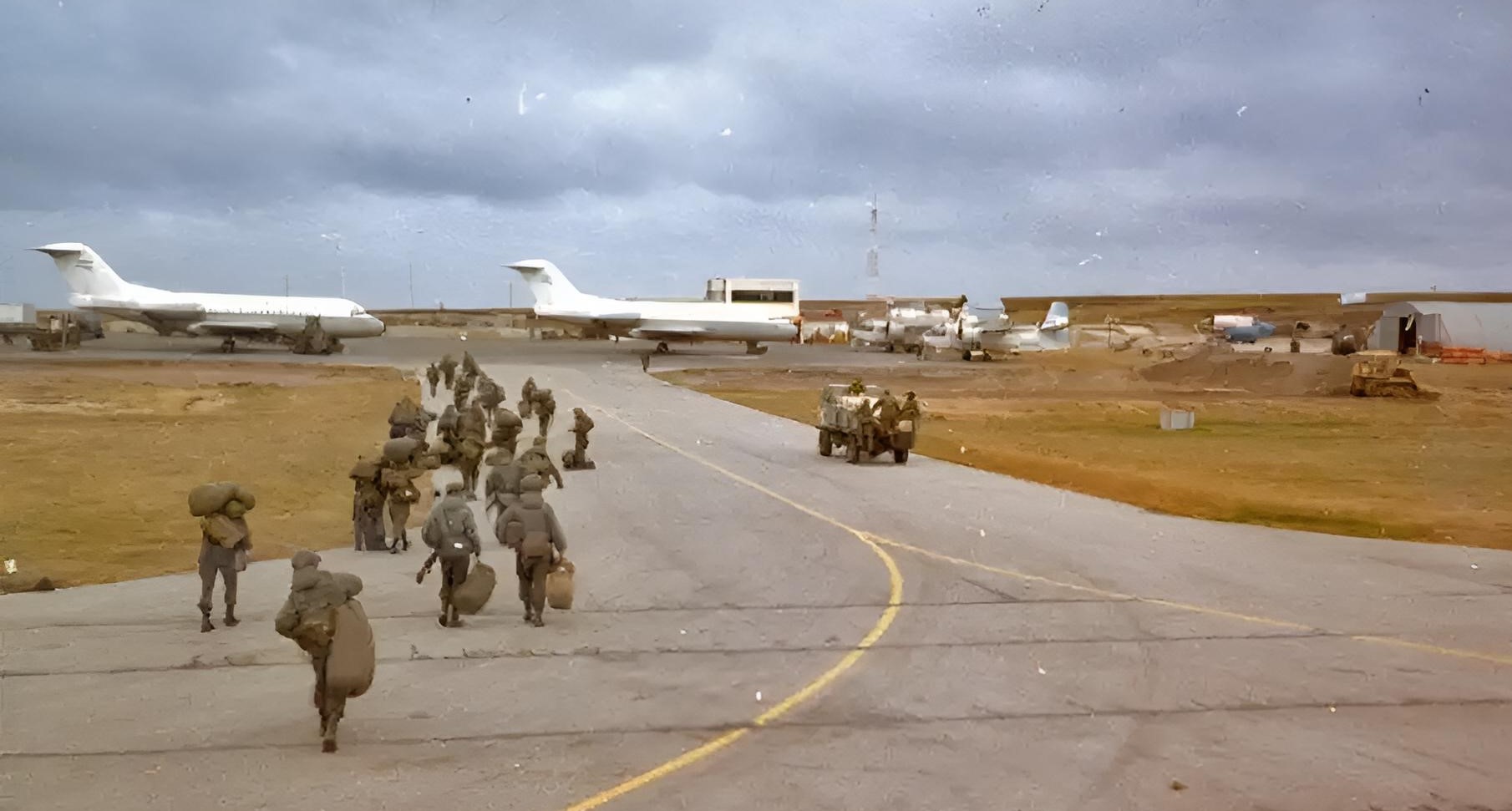
El pasado: El puente de 1972 y la Resolución 2065
Lo que hoy el Reino Unido presenta como una mejora de su "servicio de taxi aéreo", fue en su origen el escenario de una política de Estado argentina que buscó, mediante la diplomacia y la asistencia, abrazar a los isleños.
Tras la Resolución 2065/XX de las Naciones Unidas, el aeródromo de Puerto Argentino se convirtió en el símbolo material de la cooperación. Fue la Argentina continental la que, a través de sus ingenieros y trabajadores, refaccionó y amplió la pista. Gracias a esa infraestructura, entre 1972 y 1982, se consolidó un vínculo vital:
- Salud y Educación: Traslados sanitarios de urgencia y becas de estudio en el continente.
- Logística y Energía: Provisión de combustibles por parte de YPF y servicios de LADE.
- Tecnología y Víveres: El sostén diario que acortaba las distancias impuestas por la geografía.
Ese aeropuerto fue la puerta de entrada de la Argentina civil, pero también el baluarte de la Argentina combatiente en 1982. Durante el conflicto bélico, aquel aeródromo fue el nexo estratégico para las fuerzas armadas en su gesta de recuperación soberana, resistiendo los embates británicos para mantener operativa la conexión con la Argentina Continental.
El presente: Adderstone Group y la lógica del despojo
Hoy, la realidad es distinta. El gobierno colonial ha otorgado a la empresa Adderstone Construction (Islas Malvinas) Ltd, una subsidiaria del grupo inmobiliario británico Adderstone Group, la tarea de reconstruir el hangar de FIGAS.
Esta inversión de US$ 1.95 millones se enmarca en una estrategia de autosuficiencia y modernización del enclave. Mientras Londres ignora sistemáticamente los llamados al diálogo por la soberanía, utiliza a empresas privadas para apuntalar una infraestructura que, lejos de buscar la integración regional como en los años 70, busca blindar la ocupación.
"El proyecto de £1,5 millones garantizará la operación eficiente y continua del servicio de taxi aéreo de las islas", señalan desde la administración colonial.
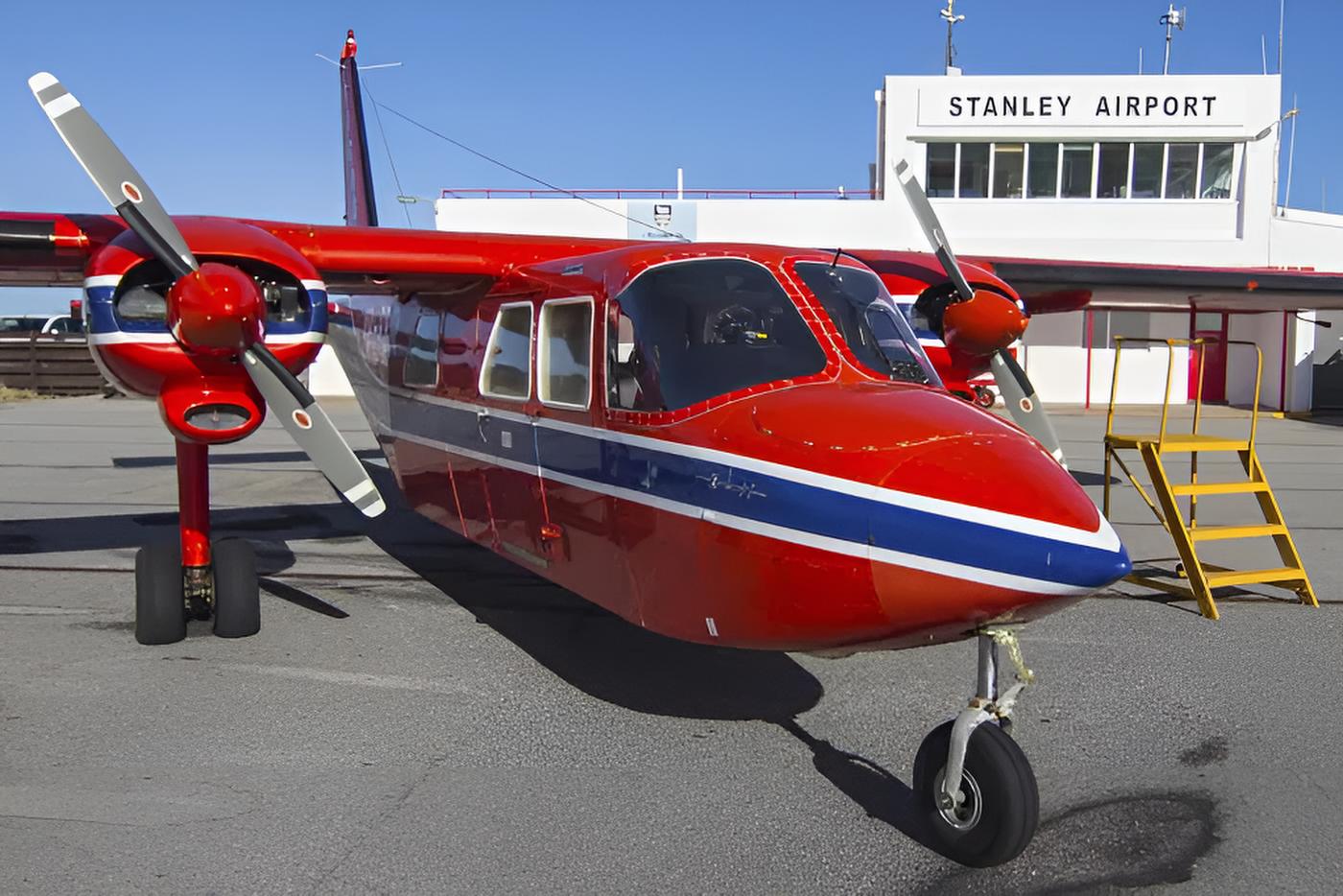
Lo que omiten es que ese suelo, donde hoy operan sus taxis aéreos, fue nivelado y pavimentado por manos argentinas bajo una bandera de paz que el Reino Unido decidió arriar para imponer, nuevamente, la lógica de la fuerza y el colonialismo en pleno siglo XXI.
Conclusión: La memoria de la pista
Modernizar el hangar de FIGAS es, para el Reino Unido, un trámite administrativo. Para la Argentina, es un recordatorio de que cada metro cuadrado de ese aeropuerto cuenta una historia de soberanía pendiente. La pista que un día unió a los pueblos, hoy sigue siendo testigo mudo de una usurpación que se maquilla de progreso empresarial.
Tags
Otras noticias de Malvinas
Gran Bretaña prorrogó por cinco años las licencias petroleras en Malvinas y habilitó la expansión de Navitas
Gran Bretaña activa nuevos ejercicios militares en las Islas Malvinas
Cuarenta empresarios de la colonia británica de Malvinas desembarcarán en Punta Arenas