
En Argentina hablamos de soberanía casi siempre cuando llega el 2 de abril o el 10 de junio. Son fechas imprescindibles para mantener viva la memoria de nuestros héroes y reafirmar el reclamo legítimo sobre las Islas Malvinas. Sin embargo, la soberanía no puede limitarse al calendario. Es una construcción permanente que atraviesa nuestra historia, nuestras instituciones y la manera en que comprendemos el territorio nacional.
Desde Río Grande, ciudad que cada año recibe a cientos de compatriotas durante la Vigilia por Malvinas, creemos que es tiempo de dar un paso más. No alcanza con recordar; también debemos educar, transmitir y fortalecer una conciencia territorial que muchas veces se diluye a medida que nos alejamos del extremo sur del país.
Con ese espíritu presentamos un proyecto para instituir el 28 de julio como el Día Municipal de la Integridad Territorial Argentina. Elegimos esa fecha porque, según diversas investigaciones históricas, el 28 de julio de 1520 la expedición de Fernando de Magallanes arribó al archipiélago de las Islas Malvinas, incorporándolas a la cartografía de la época dentro de los dominios de la Corona española. Ese antecedente constituye uno de los primeros hitos de la presencia europea en las islas y forma parte de la cadena histórica y jurídica sobre la que nuestro país sostiene sus derechos soberanos.
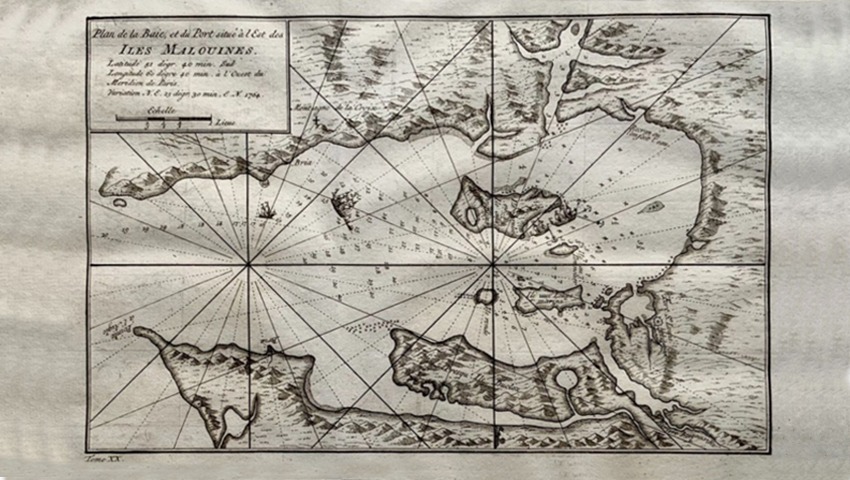
No se trata de establecer una efeméride más. Lo que propusimos es recuperar una fecha poco conocida para poner en valor un proceso histórico mucho más amplio: el de la construcción de la integridad territorial argentina. El 28 de julio ofrece la posibilidad de reflexionar no solo sobre Malvinas, sino también sobre la conformación de nuestra Patagonia, la proyección bicontinental de la Argentina y la importancia estratégica del Atlántico Sur. Creemos que esta iniciativa puede ser replicada por municipios de todo el país como una herramienta para fortalecer la educación, la memoria histórica y la conciencia soberana desde cada comunidad.
La defensa de la integridad territorial argentina no comenzó en 1982. Tampoco nació con la provincialización de Tierra del Fuego. Es el resultado de siglos de construcción política, jurídica e institucional que fueron definiendo los límites de nuestra Nación frente a distintas expresiones del colonialismo.
Desde la organización de los territorios nacionales en el siglo XIX hasta la creación de la provincia de Tierra del Fuego, Antártida e Islas del Atlántico Sur, el Estado argentino fue consolidando una presencia efectiva sobre un espacio estratégico para el desarrollo nacional. Cada una de esas decisiones expresa una misma voluntad histórica: que la Argentina sea una nación íntegra, bicontinental y con plena vocación soberana sobre el Atlántico Sur.
Esa mirada resulta hoy más necesaria que nunca.
Vivimos en un escenario internacional donde los recursos naturales, las rutas marítimas, la proyección antártica y el control de los océanos adquieren una relevancia geopolítica creciente. Mientras el Reino Unido mantiene una de las bases militares más importantes del Atlántico Sur y continúa explotando de manera ilegítima recursos que pertenecen a nuestro país, la Argentina tiene el desafío de fortalecer una política de Estado que trascienda gobiernos y coyunturas.
La Causa Malvinas no es solamente un reclamo diplomático. Es una discusión sobre el modelo de país que queremos construir. Hablar de soberanía implica hablar de nuestros recursos pesqueros, de la plataforma continental, de la Antártida, de la ciencia, de la industria nacional, de la defensa y de la presencia efectiva del Estado en los territorios estratégicos.
También implica comprender que la educación ocupa un lugar central. Ninguna política soberana será duradera si las nuevas generaciones desconocen la historia territorial argentina o si la cuestión Malvinas queda reducida a un contenido aislado.
En ese sentido, los municipios tienen un papel importante en esa tarea. Son el primer contacto entre el Estado y la comunidad. Desde allí también se puede construir ciudadanía, promover actividades educativas, fortalecer la memoria colectiva y transmitir que la soberanía no es una consigna abstracta, sino un compromiso cotidiano.
Por eso desde el espacio de Provincia Grande proponemos que el 28 de julio sea una oportunidad para desarrollar actividades pedagógicas, culturales y comunitarias que permitan comprender el proceso histórico de conformación territorial de nuestro país y la vigencia permanente de la Causa Malvinas.
Quienes vivimos en Tierra del Fuego sabemos que Malvinas forma parte de nuestra identidad provincial, de nuestra Constitución y de nuestra vida cotidiana. Pero también sabemos que esa causa no pertenece únicamente a los fueguinos. Es una causa de toda la Argentina.
La soberanía no se ejerce solamente desde la diplomacia o la defensa. También se construye en las escuelas, en las universidades, en los medios de comunicación, en los concejos deliberantes y en cada espacio donde se transmite la historia nacional.
Porque un pueblo que conoce su territorio comprende mejor lo que debe defender. Y un país que educa para la soberanía fortalece las bases de su futuro.
La integridad territorial argentina no debe ser únicamente una reivindicación del pasado. Debe ser, sobre todo, un proyecto compartido para las generaciones que vienen.
- Jonatan Bogado, es abogado y Concejal de Río Grande, Tierra del Fuego, Antártida e Islas del Atlántico Sur.

Tags
Otras noticias de Tierra del fuego
Detectan vehículos dentro de la estancia "El Relincho", junto al predio del radar de Leolabs
La Justicia federal aceptó al Municipio de Río Grande en la causa contra las petroleras
La Jueza Federal de Río Grande ordenó a Rockhopper y Navitas paralizar las obras en Malvinas


