Su construcción y operación requirieron una inversión monumental y un conocimiento técnico especializado que ahora se busca transferir al sector privado. El gobierno de Javier Milei ha anunciado la venta de cuatro de estas centrales ubicadas en la región del Comahue, entre las provincias de Neuquén y Río Negro: Alicurá, El Chocón-Arroyito, Cerros Colorados y Piedra del Águila. Esta medida se enmarca en una política de privatizaciones que busca reducir la participación del Estado y obtener divisas.
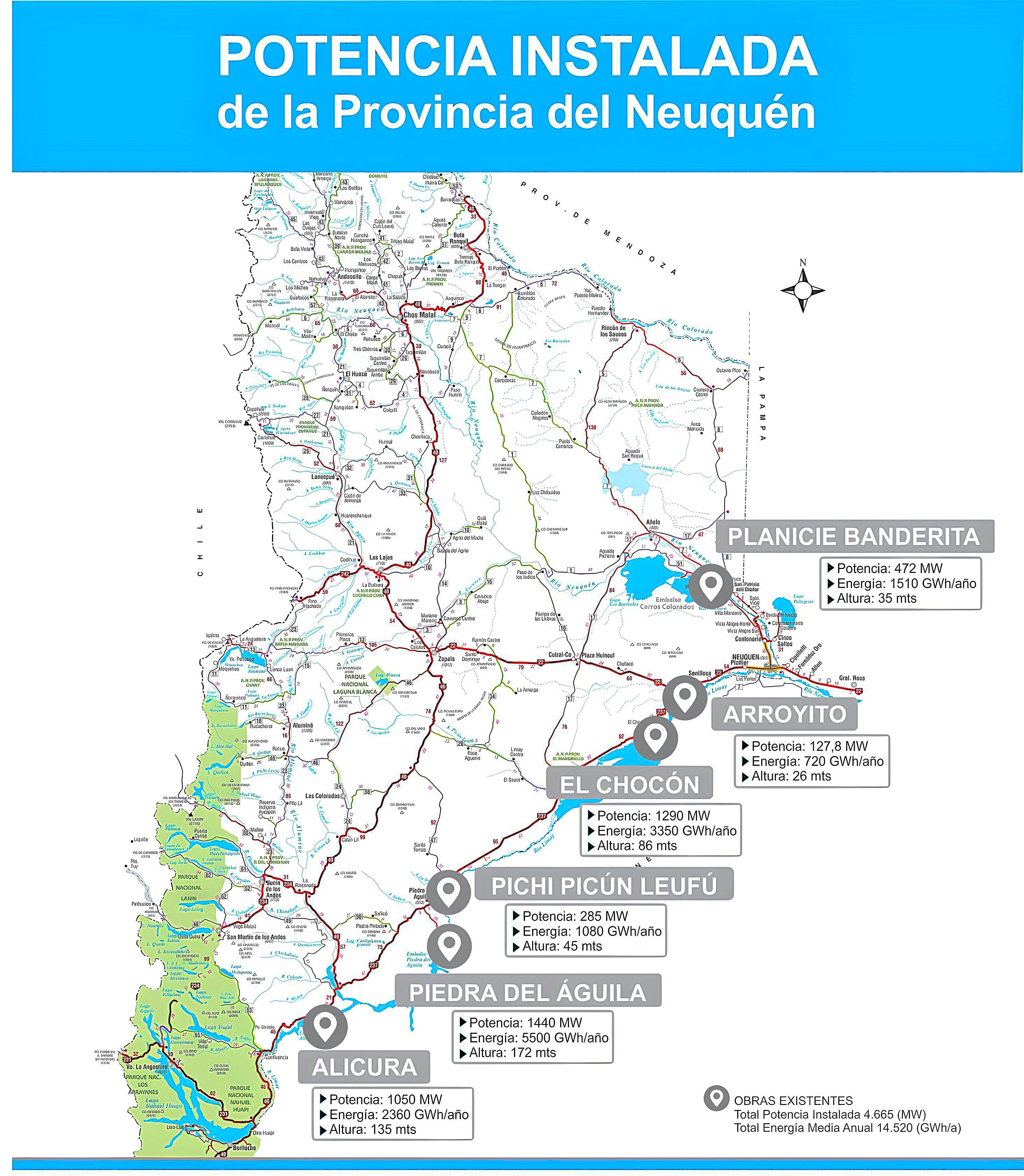
La decisión de privatizar estas centrales, que fueron construidas con el capital y el esfuerzo del país, es fuertemente criticada por el sector científico y político de la Nación. Se argumenta que esta acción representa una liquidación del patrimonio nacional a precio de remate, ya que el Estado se desprende de empresas estratégicas que le permiten tener soberanía energética y control sobre los precios y la distribución de la energía eléctrica. Al venderlas, se pierde la capacidad de regular un sector vital y se deja un recurso clave en manos de intereses privados, que priorizarán la rentabilidad por encima de la necesidad de los ciudadanos.
Este traspaso se da en un contexto donde las concesiones originales estaban vencidas y el Estado tenía la oportunidad de recuperar el control total de estas infraestructuras, que abastecen una porción significativa de la matriz energética del país. La venta no solo tiene un impacto económico, sino que también es una decisión política que debilita el papel del Estado y su capacidad para planificar a largo plazo. Además, el argumento de que el sector privado generará "precios reales y sostenibles" se enfrenta a la historia, donde la privatización de servicios públicos en el pasado ha resultado en aumentos tarifarios y una menor calidad del servicio, beneficiando a unos pocos a expensas de la mayoría.
Tags
Otras noticias de Nacionales
Milei manda tropas a Panamá sin autorización del Congreso y profundiza la subordinación al Comando Sur
CENSURA DIGITAL: NAVITAS VUELVE A BLOQUEAR EL ACCESO A SU WEB PARA LOS USUARIOS DE LA ARGENTINA
Argentina también denunció a Chile por la asistencia logística al HMS Medway en Punta Arenas