En la provincia bicontinental de Tierra del Fuego, Antártida e Islas del Atlántico Sur, donde la geografía se erige como bastión de soberanía y la política debería medirse en décadas de desarrollo estratégico, una mezquina pulseada partidaria amenaza con degradar la vitalidad del Puerto de Ushuaia, puerta de entrada a la Antártida y símbolo de la presencia argentina en el Atlántico Sur.
El conflicto, que estalló con un emplazamiento de la Agencia Nacional de Puertos (ANPyN) al gobierno de Gustavo Melella por el desvío de fondos portuarios a la obra social provincial, ha escalado hasta convertirse en un peligroso juego de acusaciones y auditorías “tendenciosas” a escasos días de las elecciones del 26 de octubre.
Lejos de cualquier debate serio sobre infraestructura o proyección antártica, el affaire desnuda una avidez política que prioriza el rédito electoral inmediato sobre la solvencia de una instalación crítica.
El origen de la escaramuza se remonta a septiembre, cuando la ANPyN, mediante una notificación formal firmada por su director ejecutivo, Iñaki Arreysegor, intimó a Tierra del Fuego por considerar que la Ley provincial N° 1596 -que destinaba fondos de la Dirección Provincial de Puertos (DPP) a sanear la deuda de la Obra Social del Estado Fueguino (OSEF)- constituía un “incumplimiento grave” de la Ley Nacional de Actividades Portuarias.
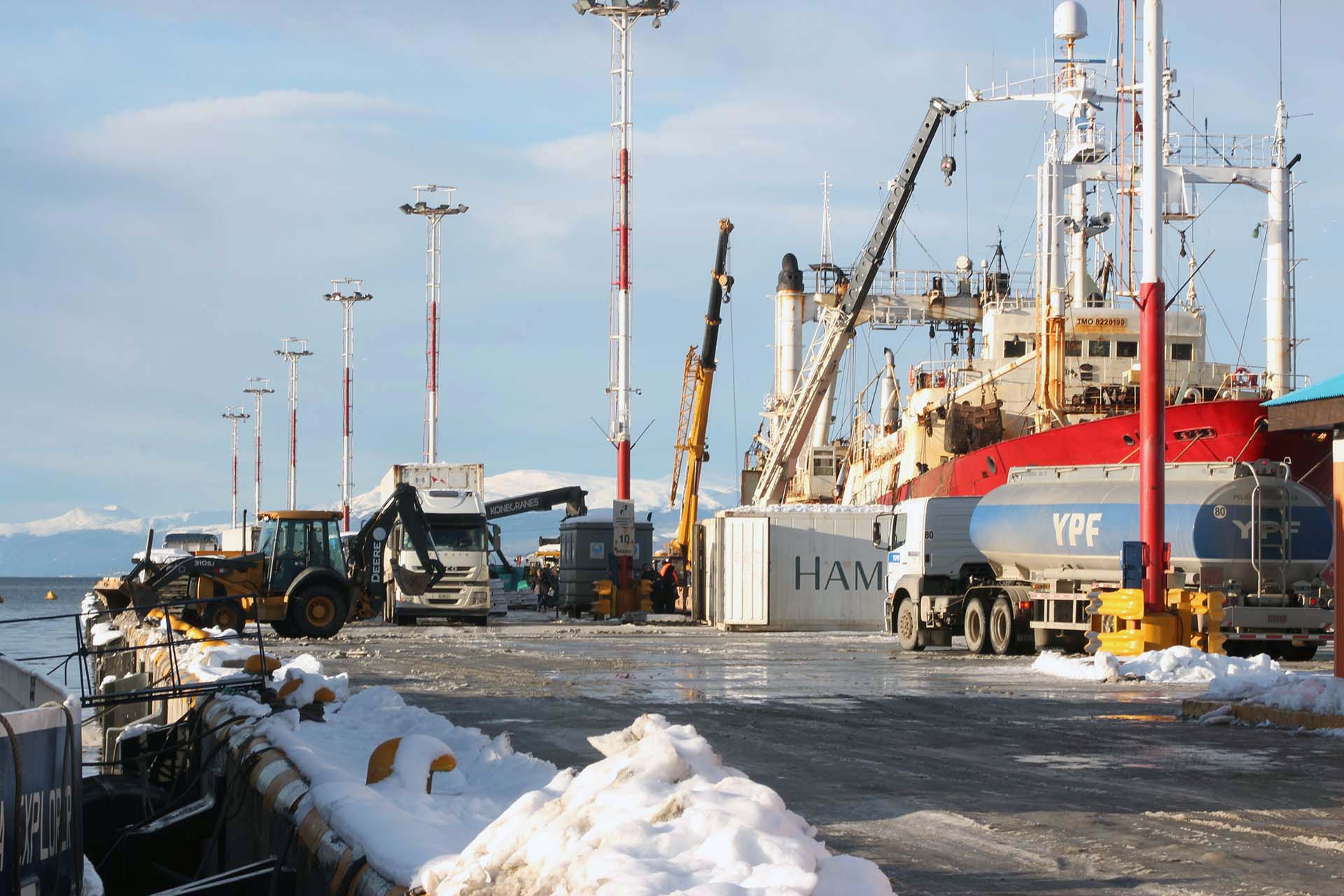
La cláusula séptima del convenio portuario es taxativa: los ingresos deben aplicarse “exclusivamente” a la administración, operación e inversión en la actividad portuaria. La denuncia, impulsada por el sindicato ferroviario de Juan Avellaneda, cifraba el monto en disputa en $7.400 millones, una suma que, según Nación, fue desviada de su fin específico.
La réplica no se hizo esperar, pero adoptó un tono de batalla campal. Un informe de 62 páginas de la ANPyN, fechado a principios de octubre y filtrado a la prensa, pintó un cuadro alarmista: pavimento deteriorado que “pone en peligro la circulación”, pilotes del muelle “partidos, desviados y/o faltantes”, defensas obsoletas, sistemas eléctricos vulnerables y una “disminución sostenida de los niveles de inversión”.
El documento, elaborado en apenas dos días de inspección, fue presentado como la prueba definitiva de un manejo negligente.
La gobernación fueguina respondió con la contundencia del agraviado. Melella lo tildó de “maniobra política” destinada a “desprestigiar una obra estratégica” y aseguró que el puerto “está 100% operativo y habilitado”. No soportan, los miembros del gobierno libertario, sentenció, “ver a una Tierra del Fuego que avanza con dignidad, trabajo y soberanía”.
En el ojo de la tormenta, el presidente de la DPP, Roberto Murcia, salió a desactivar bombas. Negó categóricamente una intervención inminente, explicó que se trata de un “informe preliminar” al que deben responder en un plazo de cinco días y desmintió que la temporada de cruceros esté en riesgo.
Respecto al desvío de fondos, su argumento fue más técnico: no hubo una “entrega de dinero”, sino un “préstamo con rentabilidad” autorizado por la normativa y auditado por el Tribunal de Cuentas, una colocación financiera para preservar el valor del dinero en un contexto inflacionario. Aseguró, incluso, que ante la controversia, el propio gobernador solicitó a la Legislatura la derogación parcial del artículo que involucraba al puerto. Sin embargo, no pudo eludir el diagnóstico político final: “Se mezcló la política con el mejor puerto de la República Argentina, y eso es grave”.
La gravedad, precisamente, reside en esa mezcla explosiva. Mientras Nación y Provincia se enredan en una pelea de descrédito mutuo, el Puerto de Ushuaia, un activo geopolítico de valor incalculable, queda reducido a una moneda de cambio en una contienda electoral de vuelo bajo.
La retórica de la soberanía es esgrimida por ambos bandos como un arma política, vaciándola de contenido mientras la infraestructura que la sustenta puede estar requiriendo atención genuina.
El conflicto, en el fondo, no versa sobre pilotes o sistemas contables, sino sobre una lucha de poder donde la gestión portuaria es el botín. Una demostración más de que, en la Argentina, incluso las causas nacionales más sagradas pueden sucumbir ante la mezquindad de la pulseada política de cada día.
Tags
Otras noticias de Tierra del fuego
Piden crear una Comisión Investigadora con Veteranos de Guerra por el radar británico
La trampa de la Doctrina Monroe: El riesgo de una sustitución colonial en el Atlántico Sur
Los Veteranos de Río Grande ratificaron la necesidad de una comisión investigadora por el radar