
Una nota periodística emitida por la señal de la colonia británica que usurpa las Islas Malvinas a la Argentina, la Falkland Islands TV (FITV), le ha puesto números y preocupación oficial a la drástica caída en las capturas de calamar producto de la sobreexplotación británica y el impacto biológico en el Atlántico Sur.
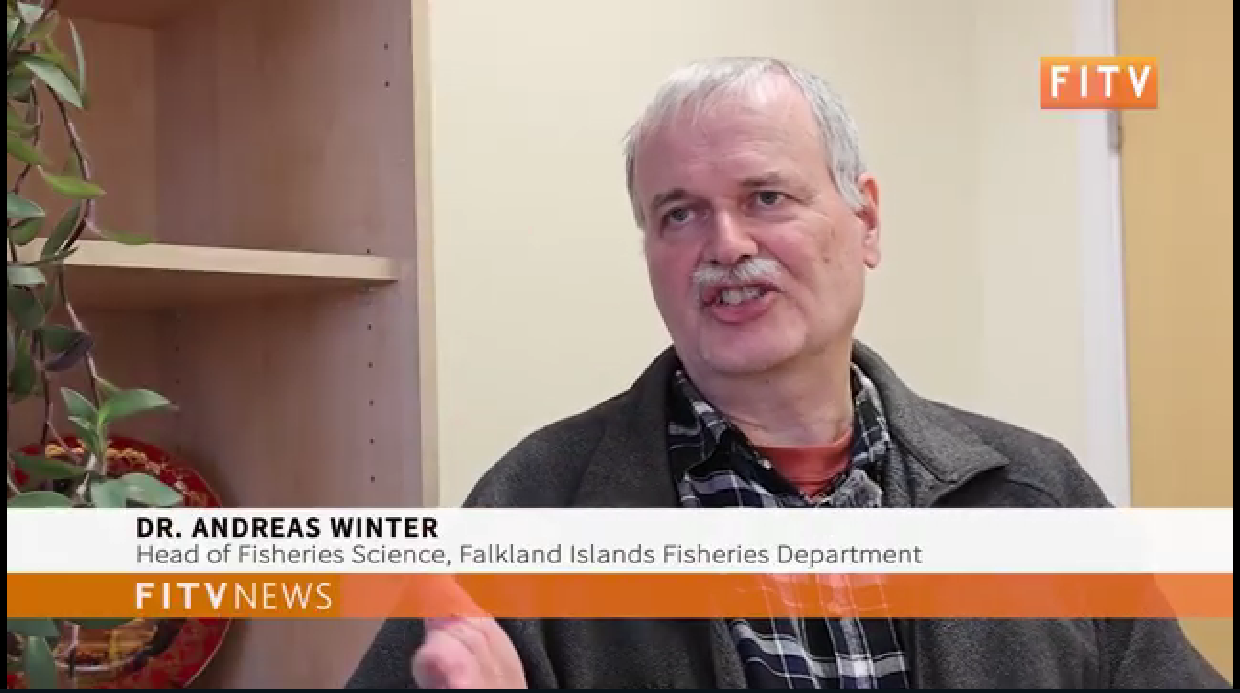
Las declaraciones de Andreas Winter, el Jefe de Ciencia Pesquera de la colonia) y de Michael Poole, el Vicepresidente de la FIFCA; la Falkland Islands Fishing Companies Association (la Asociación de Compañías Pesqueras de las Islas Malvinas. Un lobby corporativo que agrupa a las empresas privadas que operan con licencias pesqueras ilegales otorgadas unilateralmente por la administración colonial), no solo confirman el fracaso de la temporada 2026, sino que abren un interrogante crítico para el futuro del enclave: ¿Seguirán viniendo los barcos extranjeros si el saqueo deja de ser rentable?
Los números del derrumbe
En sus declaraciones al canal local de TV, el propio Andreas Winter admite que la temporada de verano apenas superó las 62.000 toneladas capturas, lo que representa "la cuarta más baja de los últimos 11 años". Por su parte, el lobbista de las armadoras, Michael Poole, aportó la perspectiva empresarial del desastre: una caída del 30% en comparación con el promedio de la última década, y un 20% menos que el año pasado.
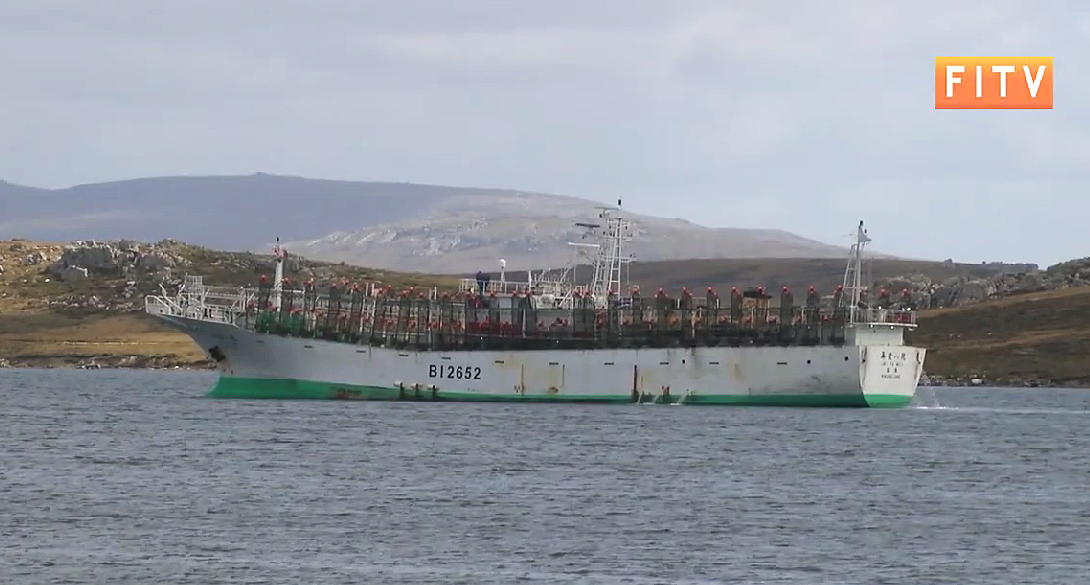
Poole detalla que la flota de 108 barcos autorizados por la colonia comenzó a retirarse anticipadamente durante el mes de mayo "realmente porque las capturas no fueron fantásticas".

La paradoja biológica: "El calamar estaba en Argentina"
El dato más demoledor del reportaje es la admisión explícita de que el recurso no desapareció del océano, sino que permaneció en la Zona Económica Exclusiva (ZEE) continental argentina, evidenciando que el stock es único y migratorio.
"Lo que estamos viendo por información pública disponible y por socios que tienen conocimiento de la pesquería argentina, es que las capturas en la zona argentina este año han sido bastante fuertes y han tenido una temporada bastante buena. Esto sugiere que el calamar estaba allí, solo que desafortunadamente no migró hacia el norte y luego de regreso hacia la zona de las Falklands", reconoció Poole.
Esta declaración derriba el histórico argumento británico de la "administración sustentable" de las islas y convalida que la colonia es un mero agente de paso que depende de lo que la Argentina no capture en su plataforma o en la milla 201.
El fantasma de la retirada empresarial
Hacia el cierre de la entrevista, tanto los entrevistados como el cronista de la televisión isleña, dejaron planteado el escenario que más teme el gobierno de ocupación: el factor económico como límite al colonialismo. Con costos de combustible asfixiantes y capturas raquíticas, los buques alcanzaron su punto de equilibrio mucho antes de lo previsto.
Frente a esto, el canal de la colonia advirtió abiertamente sobre el riesgo logístico: si se encadenan dos o tres años malos, los propietarios de los barcos (armadores españoles, taiwaneses y coreanos) evaluarán que no tiene sentido financiero enviar buques tan lejos de sus bases originarias.
Sin el dinero de las licencias pesqueras, que representa hoy el 60% de los ingresos de la administración británica implantada, el sostenimiento de la colonia se vuelve inviable o requeriría un auxilio directo de Londres, asunto que hoy no está en los planes de la metrópoli. Para suplir esa pronunciada caída, Gran Bretaña direcciona y reconvierte su sustentabilidad económica, en la explotación petrolera del Yacimiento Sea Lion, a partir de 2028.
Tags
Otras noticias de Malvinas
La TV chilena muestra los destrozos que realizan los británicos en el cementerio de Darwin
“Déjennos robar en paz”: los okupas de Malvinas se ofenden porque Argentina les encarece los costos
Gran Bretaña recreó el desembarco del '82 para blindar el saqueo petrolero en Malvinas


