Autoridades de la Universidad Nacional de San Juan (UNSJ) desmintieron rotundamente las versiones difundidas en diversos medios nacionales sobre una supuesta "baja" o cancelación del proyecto del Radiotelescopio Chino-Argentino (CART) que se encuentra en una etapa muy avanzada de construcción en la Estación Astronómica Carlos Cesco, en El Barreal, Calingasta, San Juan.
La noticia reportada por El Destape Web con la firma de la prestigiosa periodista Nora Bär, recoge la voz de las autoridades académicas que tienen el proyecto bajo su órbita.
Jorge Castro, decano de la Facultad de Ciencias Exactas, Físicas y Naturales de la UNSJ, aseguró no haber recibido ninguna comunicación oficial de parte del Gobierno nacional (ni de la Secretaría de Políticas Universitarias, ni de Ciencia y Tecnología, ni de Cancillería) que indique la interrupción del CART. El decano señaló que la información de la supuesta cancelación podría basarse en un "mal asesoramiento", enfatizando que el CART es un radiotelescopio para investigación científica y astrofísica, no un "radar de vigilancia" como algunas versiones insinuaban.
El proyecto, único en Sudamérica y considerado un hito para la ciencia argentina, busca detectar radiación de objetos celestes, mejorar la precisión geodésica del hemisferio sur (vital para GPS y rastreo satelital), y cuenta con una antena de 40 metros de diámetro y 60 metros de altura.
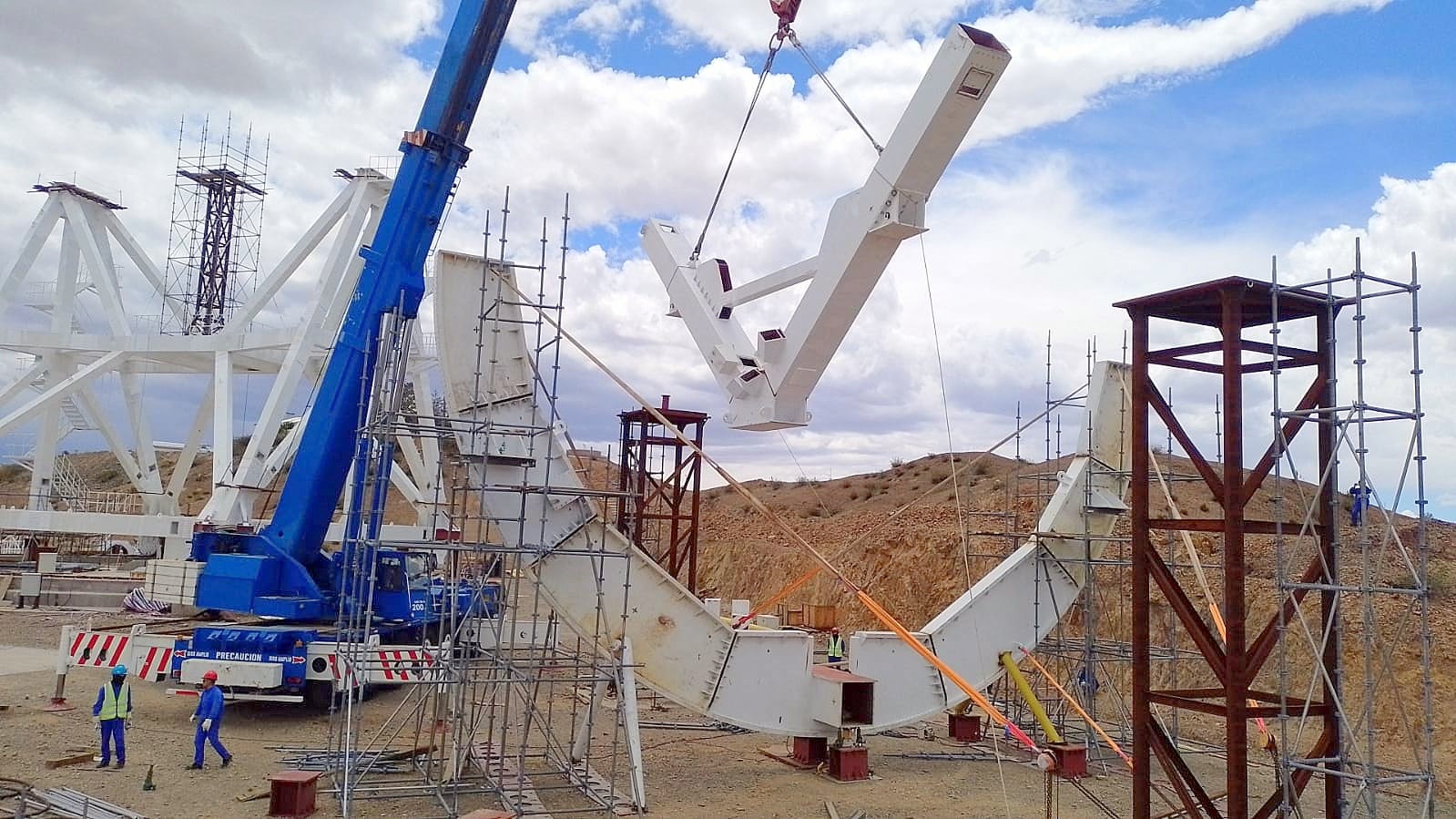
La alarma en la comunidad científica surgió tras el vencimiento del convenio en junio y la falta de su renovación, lo que motivó un comunicado de la Asociación Argentina de Astronomía instando a su resolución. Científicos como la radioastrónoma Gloria Dubner han destacado la utilidad exclusivamente científica del CART en astrofísica, geodinámica y georreferenciación, además de la inversión de más de 36 millones de dólares aportados por China, junto a contribuciones de la UNSJ, CONICET y la Provincia de San Juan.
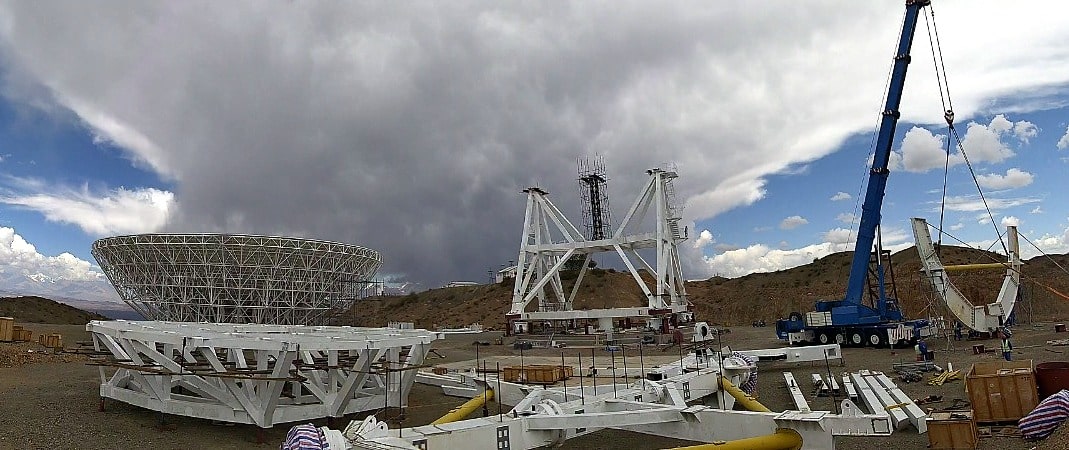
El decano Castro, quien viajó a Buenos Aires para tratar la situación de materiales del telescopio detenidos en Aduana, lamentó el estado de incertidumbre, calificando como "impensable" una cancelación sin precedentes para un proyecto científico de esta envergadura.
¿Por qué es estratégico el CART y qué se pierde con su freno?
El proyecto CART, más allá de la tensión política actual, representa un avance científico y tecnológico de valor estratégico para Argentina y el hemisferio sur. Su posible interrupción es vista por la comunidad científica como un "cientificidio" y una pérdida de una oportunidad única.
1. Objetivos Científicos Únicos y Liderazgo Regional
El CART, con su imponente antena parabólica de 40 metros de diámetro y 60 metros de altura, está diseñado para ser un instrumento de ciencia de frontera en dos campos principales:
- Radioastronomía Avanzada:
- Permitirá estudiar la tenue radiación electromagnética de objetos celestes distantes, como restos de supernovas, regiones interestelares modificadas, estrellas binarias emisoras de rayos X y galaxias activas.
- Contar con un radiotelescopio de gran porte en el hemisferio sur, un área históricamente limitada en este tipo de instrumentos, lo convertiría en un instrumento de referencia para la astrofísica continental.
- Existe la posibilidad de que el CART opere en conjunto con la antena argentino-brasileña LLAMA (que se instala en Salta), creando un instrumento combinado que alcanzaría resoluciones hoy inéditas para hacer ciencia de frontera en frecuencias de radio.
- Geodesia y Georreferenciación:
- Facilitará estudios de geodesia (orientación y posición de la Tierra en el espacio) y georreferenciación (aplicada a técnicas de posicionamiento espacial).
- Generará beneficios geodésicos al mejorar la precisión con que se determinan los parámetros astro-geodésicos en el sur, algo vital para la navegación satelital (GPS), la determinación de órbitas de satélites (incluyendo el rastreo de misiones espaciales argentinas) y la mejora de la red geodésica nacional.
- Ayudará a revertir la asimetría norte-sur en la precisión de mediciones terrestres y celestes.
2. Implicancias Geopolíticas y la Desmentida de Uso Militar
Uno de los rumores que intentó justificar la supuesta cancelación fue la acusación de que el CART era un "radar de vigilancia" con fines militares. Esto fue desmentido categóricamente por el decano Jorge Castro y por los científicos:
- Uso Exclusivamente Científico: Los expertos subrayan que el diseño del CART está optimizado para astronomía y geodesia.
- Acceso y Transparencia: Castro enfatizó que el predio de la UNSJ está "absolutamente abierto" para ser visitado y observar lo que se está haciendo, ya que "no hay nada que ocultar".
- Contexto Internacional: La situación se enmarca en un contexto de alineamiento geopolítico del Gobierno nacional, con presiones percibidas por la comunidad científica para limitar la cooperación con China. Sin embargo, el decano recordó que la UNSJ mantiene vigentes otros convenios internacionales de prestigio con países como Rusia, Francia y Estados Unidos.
3. Inversión y Recursos Humanos en Riesgo
La paralización del proyecto amenaza una considerable inversión y el trabajo de años:
- Inversión Extranjera y Nacional: La inversión china supera los 36 millones de dólares. Argentina, a través del ex Ministerio de Ciencia, Tecnología e Innovación, invirtió 1,5 millones de dólares, sumado a los aportes en terrenos, caminos, energía, conectividad e infraestructura provistos por la UNSJ y el Gobierno de San Juan.
- Formación de Capital Humano: El proyecto es crucial para entrenar recursos humanos (científicos, técnicos, ingenieros) en una tecnología de punta, con personal del CONICET ya especializado.
La incertidumbre generada por la falta de renovación del convenio y la retención de piezas en Aduana representa un obstáculo administrativo y político que pone en peligro la finalización de una obra "MUY AVANZADA" y de trascendencia global.
Fuentes:
Nota de El Destape Web, firmada por Nora Bär.
Facultad de Ciencias Exactas de la UNSJ
Tags
Otras noticias de Nacionales
Legisladores y organizaciones coinciden en la responsabilidad Melella en no desarmar el radar británico
Taiana volvió a responsabilizar a Melella por la presencia del radar británico en Tierra del Fuego
La Nación explica cómo la “Ley de Soberanía” de Milei avanza sobre la libertad de prensa y los consensos democráticos