El buque rompehielos y de investigación científica Akademik Tryoshnikov, perteneciente al Instituto de Investigaciones Científicas sobre el Ártico y la Antártica de Rusia, atracó el sábado de la semana pasada en el puerto de Punta Arenas, capital de la región de Magallanes, Chile, como parte de las maniobras logísticas de la 71ª Expedición Antártica Rusa que busca garantizar el funcionamiento continuo de sus estaciones en el continente blanco.
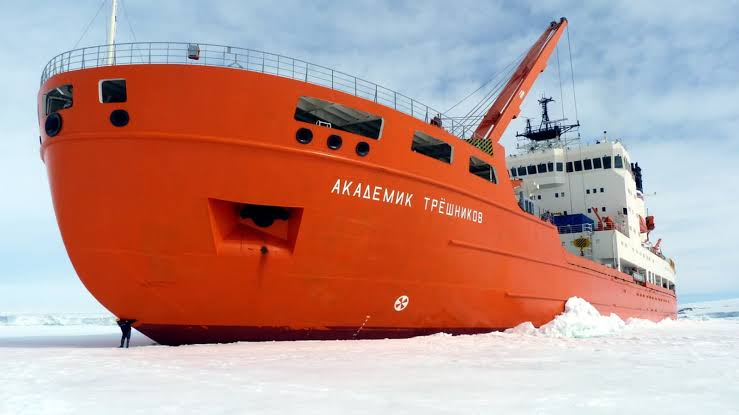
Construido en el histórico astillero Admiralty de San Petersburgo y botado en diciembre de 2012, esta imponente nave de 16.539 toneladas de desplazamiento llegó a la ciudad vecina para convertirse en un eslabón vital en la cadena de suministros que conecta el territorio euroasiático con América del Sur y la Antártica.
Su presencia en aguas chilenas no solo representa una parada técnica.
Según informó la Embajada de Rusia en Chile, el Akademik Tryoshnikov transporta en sus bodegas cerca de 2.000 toneladas de carga destinadas a abastecer las estaciones antárticas permanentes de ese país.
Víveres frescos, combustible para soportar las gélidas temperaturas, materiales de construcción y equipamiento especializado serán distribuidos en las bases Bellingshausen, Novolázarevskaya, Progrés y la histórica Molodiózhnaya. Además de reabastecer estos remotos puestos científicos, la misión del buque incluye el relevo del personal que deberá resistir el crudo invierno polar.
Más allá de su función como transporte, el Akademik Tryoshnikov opera como un laboratorio flotante de última generación. Equipado con diez laboratorios fijos y varios módulos móviles de investigación, a bordo se realizan estudios oceanográficos, hidroquímicos y meteorológicos.
Los científicos que viajan en esta expedición continuarán con los monitoreos de fauna en las islas subantárticas, que incluirán el conteo y estudio detallado de los animales, además de investigaciones radiológicas y geofísicas que se extienden durante todo el año.
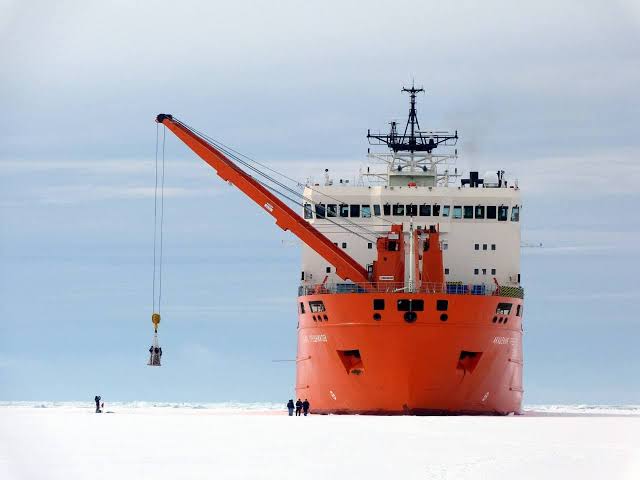
El diseño del buque permite operar en las condiciones más extremas del planeta. Cuenta con un hangar y cubierta de vuelo preparados para albergar dos helicópteros Ka-32, fundamentales para trasladar carga y personal hacia zonas inaccesibles por mar.
También dispone de una estación de buceo especialmente acondicionada para explorar las gélidas aguas antárticas.
Con capacidad para alojar hasta 140 personas entre tripulación y equipo expedicionario, la nave permanece en Punta Arenas realizando las gestiones logísticas necesarias antes de continuar su travesía hacia el continente helado, donde 23 institutos científicos rusos desarrollarán un programa que contempla 47 investigaciones integrales en
Tags
Otras noticias de Internacionales
El regreso del Orden Atlántico: Malvinas sale del tablero tras el abrazo de Trump y Carlos III
Documentos oficiales de los EE.UU. ratifican el rol militar de los radares de LeoLabs
EEUU amenaza a Gran Bretaña con quitarle el apoyo por las Islas Malvinas