El Atlántico Sur no solo está siendo vaciado de sus recursos pesqueros; su fondo marino está siendo transformado en un kilométrico basural industrial. Una reciente expedición científica del Instituto Nacional de Investigación y Desarrollo Pesquero (INIDEP), ha puesto números y fotos a una catástrofe ambiental que abre un debate profundo sobre la tibieza legal con la que el Estado Argentino define lo que sucede apenas cruzando su zona económica.
Y es que la campaña oceanográfica “Área Adyacente 2026”, realizada a bordo del buque científico Víctor Angelescu, arrojó resultados que el director del INIDEP, Otto Wöhler, calificó de "reveladores" pero que, en términos llanos, son una condena ambiental. Tras 23 días de navegación por el borde externo de la Milla 200, la evidencia científica es alarmante: en el 76,2% de los lances de pesca realizados se encontraron residuos vinculados a la flota extranjera.
Detalles del daño: Lo que el mar ya no puede ocultar
El relevamiento del INIDEP, que incluyó filmaciones submarinas a más de 2.200 metros de profundidad, documentó una realidad perturbadora en el lecho marino:
- Bosques de plástico y acero: En casi 8 de cada 10 intentos de recolección, las redes científicas trajeron restos de líneas de poteros (para pesca de calamar), cables de acero, redes de arrastre desgarradas y plásticos de un solo uso que llevan décadas degradándose lentamente en la oscuridad del abismo.
- La destrucción de los "EMV": Las cámaras captaron la devastación de los Ecosistemas Marinos Vulnerables (EMV). Se trata de arrecifes de corales de agua fría y esponjas gigantes. Son estructuras que, a diferencia de los peces, no pueden huir; tardan cientos de años en crecer apenas unos centímetros y hoy están siendo "cepilladas" y trituradas por las pesadas redes de arrastre de fondo.
- Un ecosistema asfixiado: Estos organismos (corales y esponjas) son la "guardería" del océano; allí se refugian las crías de las especies que luego pescamos. Al destruirlos, la flota extranjera está eliminando la fábrica misma de la vida en el Atlántico Sur.
- Contaminación química silenciosa: Más allá de la basura visible, se denunció la presencia de restos de aceites, lubricantes y elementos químicos vertidos por una flota de más de 450 barcos que operan sin ningún control ambiental, muchos de los cuales pasan más de un año sin tocar puerto, usando el mar como cloaca y vertedero.
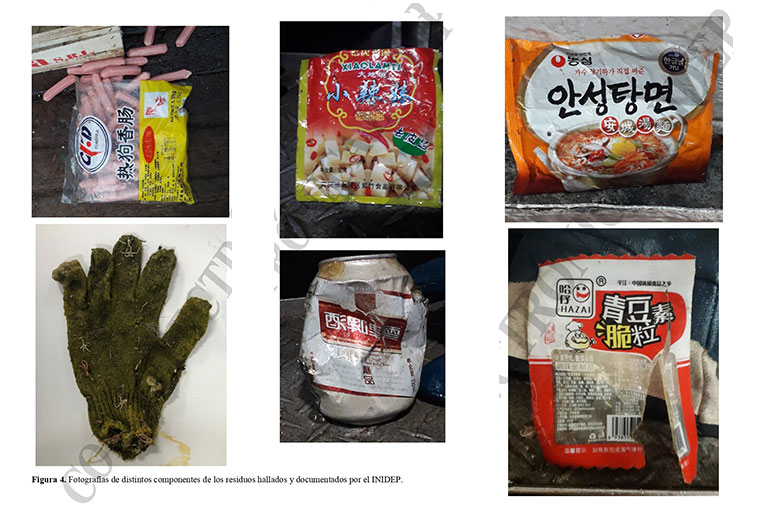
Indica Revista Puerto, que el especialista Milko Schvartzman, advirtió sobre la existencia de un "cementerio de barcos" y residuos donde la basura acumulada está rompiendo el equilibrio ecológico que sostiene a ballenas, delfines, elefantes marinos y aves marinas.
El interrogante: ¿Es "pesca no regulada" o es ilegalidad pura?
Sin embargo, en medio de la presentación de estos datos, surge la polémica definición por parte del titular del INIDEP. Otto Wöhler afirmó a Revista Puerto que es un "error" llamar "pesca ilegal" a la actividad de los barcos extranjeros en la Milla 201, prefiriendo el término "pesca no regulada". Según el funcionario, mientras operen fuera de la Zona Económica Exclusiva Argentina (ZEEA), no habría ilegalidad técnica.
Esta afirmación abre un interrogante peligroso: ¿Puede ser legal una actividad que produce una catástrofe ambiental documentada, destruye ecosistemas milenarios y se apropia de recursos que nacen en aguas argentinas?
Fuente:
Tags
Otras noticias de Atlántico Sur
Londres proyecta un cable submarino entre Uruguay y Malvinas con una empresa contratista de YPF
Con un tercio de sus bodegas cargadas, el petrolero británico dejó Tierra del Fuego y navega rumbo a Texas
La colonia británica suspende la temporada de pesca por la baja histórica del calamar