
El gobierno de Javier Milei tiene en borrador la asignación de $2.080 millones de pesos (equivalentes a aproximadamente U$S 1.430.000) para el desarrollo antártico. Un fondo previsto en el Presupuesto Nacional 2026 (Anexo III, Ítems 136.252), destinado a la adquisición e incorporación de un “CONJUNTO HABITACIONAL DE CONSTRUCCIÓN MODULAR PARA AMPLIAR LA CAPACIDAD OPERATIVA DE LA BASE ANTÁRTICA CONJUNTA (BAC) PETREL, UBICADA EN EL CABO WELLCHNER, ISLA DUNDEE”.
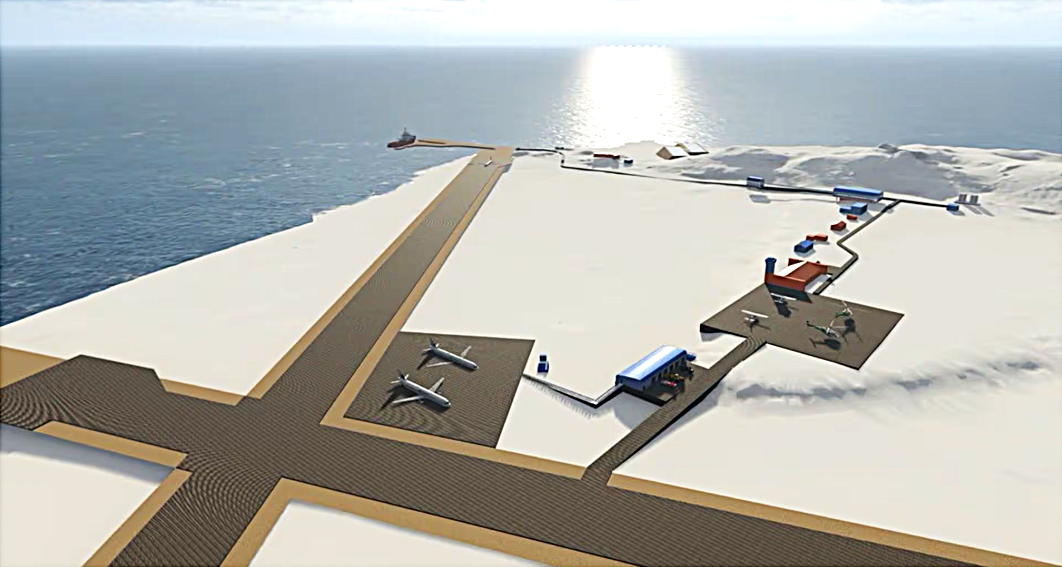
Como se indicó, la inversión se centra en la Base Petrel; una instalación de profunda relevancia histórica y estratégica. Fundada en 1967, fue la base operativa más importante de la Argentina, hasta que un incendio en el invierno de 1974, la dejó inoperativa.
Luego de 48 años de abandono, en 2022 argentina inició su proceso de recuperación y restauración a través de un proyecto estratégico impulsado por el Comando Conjunto Antártico (COCOANTAR) y el astillero TANDANOR, toda vez que por su ubicación y accesibilidad, es la base clave para la proyección argentina hacia el Polo Sur, y la que brinda mejores condiciones operativas para el transporte aéreo y marítimo que la emblemática Base Marambio.
El avance del proyecto para la recuperación de Petrel
Desde 2022 a la fecha, la obra ha mostrado un progreso más o menos sostenido, incluyendo la finalización del montaje estructural del Módulo II (300 m²) y el avance del Módulo I (400 m²), que forman el complejo habitacional y logístico. Por lo que se espera que de aquí al 2030, la base pueda alojar a 60 personas fijas y hasta 150 en verano, además de albergar el primer hospital modular de la Antártida, cuya instalación se esperaba iniciar en febrero de 2025.
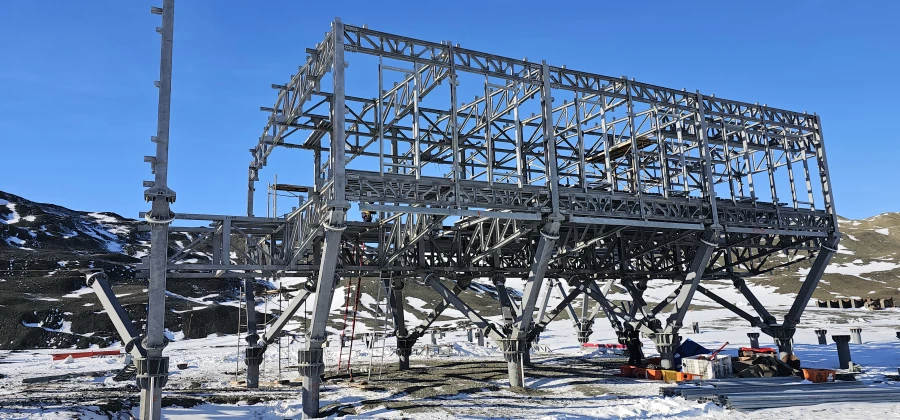
La reapertura de Petrel será un símbolo del resurgimiento antártico argentino, con la Fuerza Aérea y la Armada retomando la operatoria aérea y marítima en la zona después de décadas. Y también en asociación con el sector privado; específicamente con el grupo empresarial Mirgor; que adquirió un avión Basler BT-67 para ser operado de manera mixta, tanto para las necesidades de las instituciones militares y científicas de la argentina, como para abrir el camino al turismo antártico por parte de la empresa.
Soberanía Antártica vs. Influencia Extranjera
Si bien la reactivación de Petrel será un logro nacional demorado por más de 50 años, la decisión del Gobierno de avanzar con fondos propios para esta base se produce en un contexto de creciente preocupación por la autonomía argentina en la Antártida, debido al profundo alineamiento estratégico con Estados Unidos.
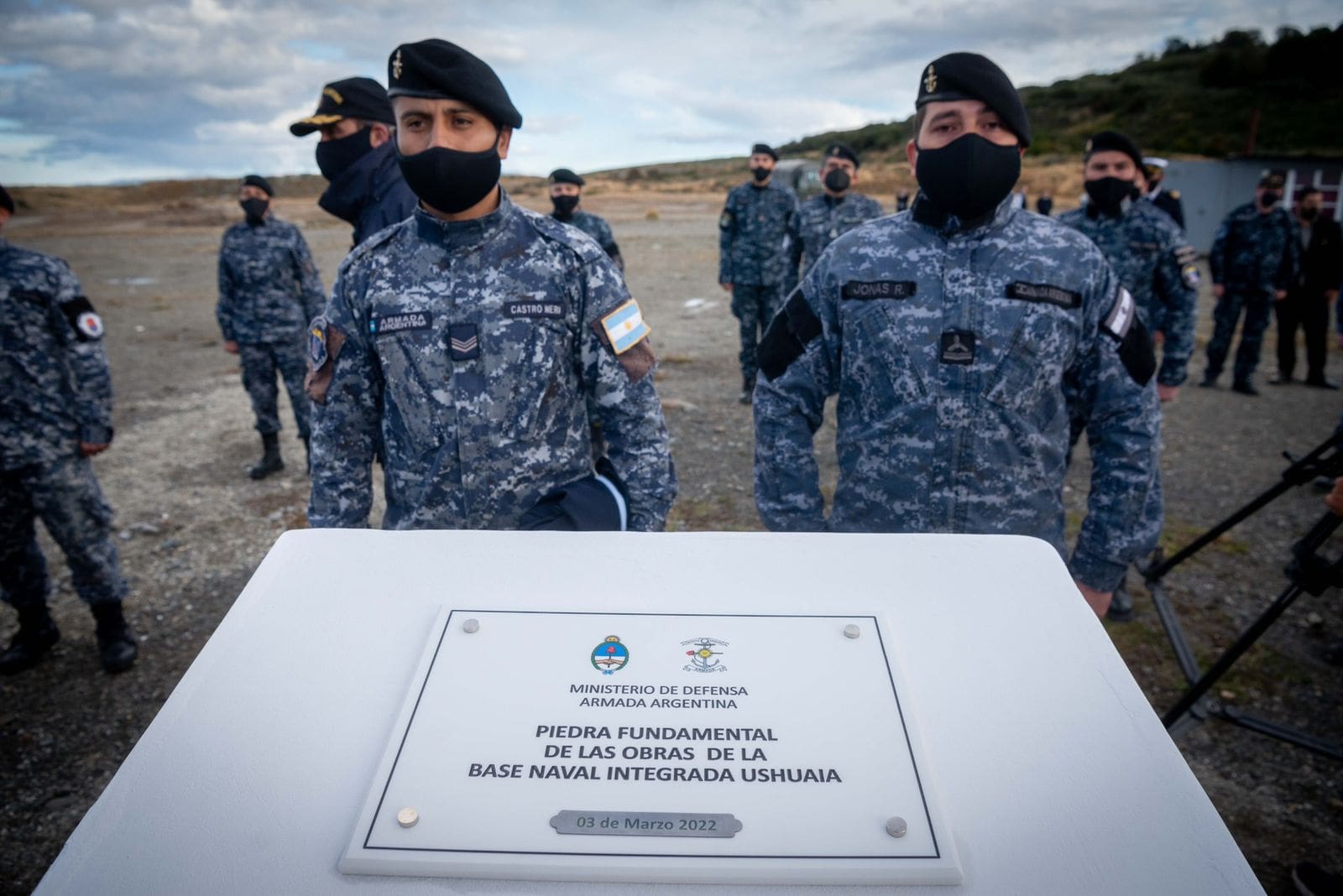
El proyecto de la Base Naval Integrada (BNI) en Ushuaia, concebido como el polo logístico de apoyo a las actividades antárticas, ha sido reorientado en términos políticos durante la gestión de Javier Milei, para incluir la participación directa del Comando Sur de los EE.UU. (USSOUTHCOM).
De tal forma, el anuncio presidencial de desarrollar esta base junto a EE.UU., no será otra cosa que una cesión de protagonismo y autoridad real, que podría hipotecar la independencia de la política exterior y de defensa nacional argentina, subordinándola a los intereses estratégicos de una potencia extranjera.
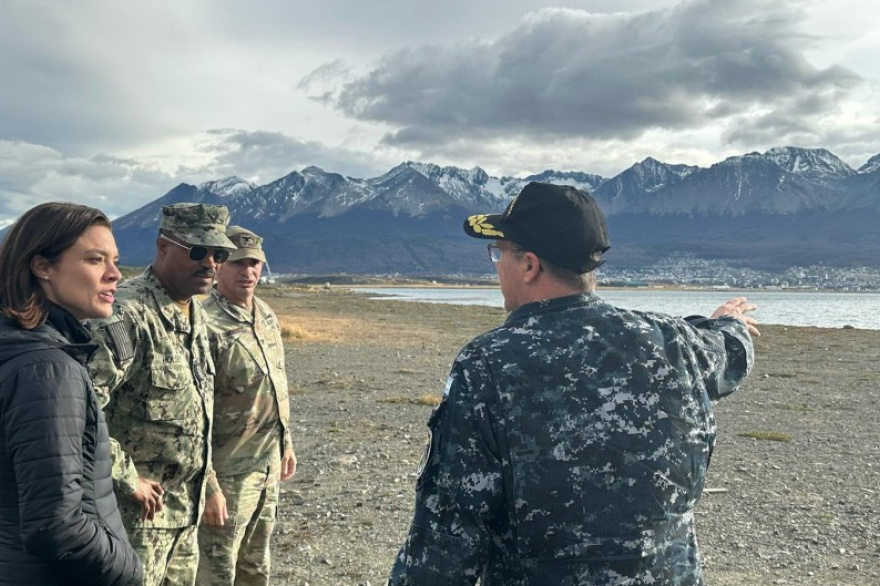
La preocupación tiene sustento con las visitas de los tres últimos jefes del Comando Sur a Ushuaia: el Almirante Craig Faller, la generala Laura Richardson y Almirante Alvin Holsey. Viajes que han tenido como objetivo declarado, "observar de primera mano el papel fundamental que desempeñan [los jefes del Comando del Área Naval Austral de la Argentina] en la protección de las rutas marítimas vitales para el comercio global". Hecho que no oculta que la verdadera intención del Comando Sur, es el de monitorear la marcha del proyecto de la Base Naval Integrada y asegurarse un pie en el Polo Sur en el contexto de la competencia geopolítica global.
La colaboración con el principal socio de Gran Bretaña
El alineamiento de Javier Milei con Washington, resulta particularmente sensible y peligroso para el propio país que gobierna y para el extremo sur del continente suramericano. Estados Unidos es el principal aliado militar y socio comercial de Gran Bretaña, quien mantiene usurpadas las Islas Malvinas desde 1833, luego que en diciembre de 1831 la corbeta norteamericana US Lexington cañoneara y saqueara Puerto Soledad; sede de la comandancia argentina en ese territorio insular. Más aún, si se tiene en cuenta que en la historia reciente EE.UU. fue el mejor aliado británico en 1982, y que, con su apoyo logístico, tecnológico y armamentístico, logro cambiar el rumbo de la guerra a favor de las fuerzas de ocupación británicas, contra la argentina.
Una inversión para la soberanía o para la entrega
A pasos más que lentos, la obra de la Base Naval Integrada en Ushuaia avanzó este año hasta bien entrado el invierno con la terminación de la platea de cemento de lo que será la sede del Comando Conjunto. Aunque la decisión política detrás de ella, es la que enciende las alertas geoestratégicas. Y es que los compromisos de la gestión libertaria con Washington, refuerza la sensación de una sumisión a intereses imperiales que buscan dirigir el desarrollo antártico argentino a su favor e incluso establecer una base de operaciones avanzadas para sus submarinos nucleares, como explicitamente lo solicitó el Almirante Alvin Hosley.
El avance del proyecto de recuperar la base Petrel, con una inversión significativa para una infraestructura clave; contrasta fuertemente con la pérdida de autonomía en el proyecto de la Base Naval Integrada en Ushuaia. Hecho que claramente pone a la Argentina en una encrucijada crítica: o se consolida el proyecto centenario antártico nacional o este queda a merced de las apetencias geopolíticas de los EEUU.
Tags
Otras noticias de Antártida
El Rompehielos Irízar zarpó de Ushuaia para la etapa final de la Campaña Antártica
Chile fortalece su presencia en la Antártida mientras Argentina retrocede
122 años de Antártida Argentina: Entre el hito soberano de la logística fueguina y el acecho del Comando Sur


