

Tras la formalización de la intervención por parte de la Agencia Nacional de Puertos y Navegación (ANPyN), el Gobierno de Tierra del Fuego ha lanzado una contraofensiva comunicacional centrada en la negación y el discurso del "avasallamiento". Sin embargo, detrás de las proclamas de "normalidad" y "autonomía" que emite el gobierno fueguino, subyace una realidad de pilotes rotos, desmanejo financiero y una gestión que prefirió el clientelismo antes que la seguridad de su activo más estratégico.
El relato de la "Normalidad" vs. La evidencia del peligro
En un reciente comunicado, la gestión de Gustavo Melella sostiene que "no hay ninguna razón objetiva" para la intervención y se escuda en las 525 recaladas previstas para esta temporada como prueba de eficiencia. Sin embargo, este argumento es una falacia de peligrosas consecuencias: el éxito turístico no es mérito de la administración política, sino de la ubicación geográfica privilegiada de Ushuaia.
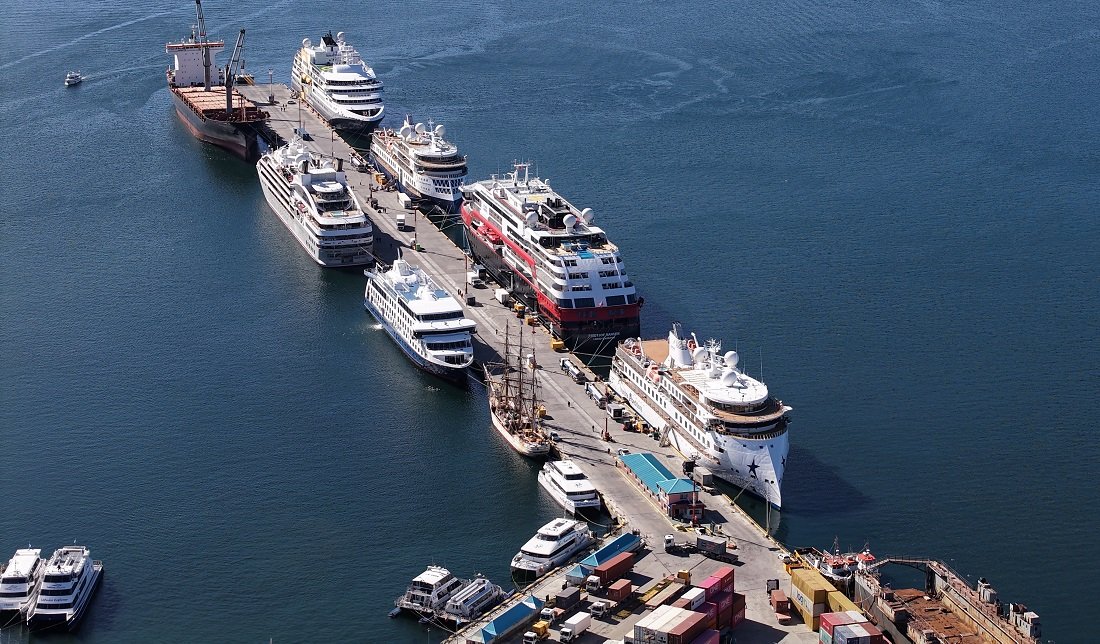
Lo que Melella califica como "crecimiento" es, en realidad, una sobreexigencia a una infraestructura que la ANPyN calificó de "deplorable". El comunicado oficial omite deliberadamente los pilotes cortados en el Sitio 3, las defensas dinámicas vencidas y el reciente choque de cruceros del 5 de enero, un hecho que demostró que el puerto funciona, pero lo hace bajo un riesgo inaceptable para la vida humana y el medio ambiente.
La Ley 1596: Una confesión de parte
Resulta llamativo que el Gobierno Provincial intente ahora despegarse de la Ley N° 1596, argumentando que "no se ha hecho efectivo ningún traspaso de fondos" a la OSEF. Esta afirmación no solo llega tarde, sino que confirma la intención de utilizar el superávit portuario como caja política.
Para la ANPyN, la mera sanción de la ley y la falta de reinversión estructural (apenas el 1,3% del presupuesto) son pruebas suficientes de que la provincia violó el Convenio de Transferencia de 1992. Mientras Melella se victimiza, los informes contables detectaron una desconexión absoluta entre el debe y el haber, y una sospechosa tercerización de registros en empresas cuya habilitación comercial incluye la venta de "paraguas y pelucas".
Narrativas de distracción: ¿Geopolítica o Ineficacia?
El comunicado provincial sugiere "narrativas preocupantes" sobre intencionalidades geopolíticas o económicas no explicitadas. Esta es la clásica maniobra de distracción: intentar convertir un problema de pésima administración local en una conspiración internacional.

El buen funcionamiento y el estado infraestructural de un puerto de la envergadura del de Ushuaia, no se defiende con comunicados de prensa, se defiende con muelles seguros y transparencia. Si hoy la Nación tiene la excusa legal para intervenir, es porque la gestión Melella le entregó los argumentos en bandeja de plata. No es la embajada de EE.UU. ni el Comando Sur quienes dejaron el puerto sin mantenimiento; fue una gestión que incorporó a 150 personas en Río Grande —donde no hay puerto— mientras el muelle de Ushuaia se caía a pedazos.
La judicialización: El último refugio del fracaso
El anuncio de una "demanda judicial inmediata" y el diálogo con el Ministro del Interior, Diego Santilli, aparecen como manotazos de ahogado de una gestión que no pudo responder a las preguntas precisas de los auditores nacionales.
La provincia reclama "autonomía", pero la autonomía conlleva responsabilidad. Un gobierno que utiliza el puerto como caja para tapar sus fracasos en salud y para pagar favores políticos, pierde la autoridad moral para reclamar autonomía cuando la Nación ejerce su poder de policía ante el riesgo de una catástrofe.
El costo de la desidia
El Puerto de Ushuaia está intervenido porque la gestión de Gustavo Melella lo llevó a un estado de inviabilidad operativa y financiera. La victimización oficial no puede ocultar el testimonio de los operarios y trabajadores portuarios que día a día enfrentan la precariedad de las instalaciones.
Tierra del Fuego ha perdido el manejo de su puerto al menos por un año. Y el responsable no es el "intempestivo" Gobierno Nacional, sino un gobernador que prefirió el relato a la inversión, y la política de cabotaje a la estrategia antártica. La intervención es, en última instancia, el precio que paga la provincia por seis años de desidia.
POSTURA DEL GOBIERNO DE LA PROVINCIA DE TIERRA DEL FUEGO, ANTÁRTIDA E ISLAS DEL ATLÁNTICO SUR SOBRE LA ABRUPTA INTERVENCIÓN DEL PUERTO DE USHUAIA.
- SIN RAZONES. No hay ninguna razón objetiva que justifique la intervención del puerto, e incluso el propio acto administrativo de intervención dispuesto por la Agencia Nacional de Puertos y Navegación (ANPyN) inhabilita la operación de la terminal para luego, en dos artículos posteriores, dejar sin efecto esa misma inhabilitación.
- EL PUERTO CRECE Y FUNCIONA. En los últimos años el puerto ha crecido y funciona con total normalidad. En esta temporada se esperan más de 525 recaladas de cruceros de gran porte y buques en general. En las últimas dos semanas se registró récord de arribo de barcos que fueron recibidos con una operatoria sincronizada, consiguiendo atender a 16 embarcaciones de bandera internacional en un período menor a 24 horas y más de 30 en la semana. En total más de 30 mil personas entre pasajeros y tripulantes pasaron por el puerto en ese período. Hay confianza comercial de operadores internacionales. Se realizaron obras de infraestructura de gran envergadura como la extensión de 104 metros del muelle que permitió comenzar a recibir el doble de buques en simultáneo.
- NADA AFECTA AL PUERTO. La Legislatura de la Provincia aprobó por unanimidad le Ley Provincial N° 1596 que en uno de sus artículos estipula la utilización del superávit del puerto para el fortalecimiento de la OSEF. Pese a una propuesta de veto en contrario propuesta por el Ejecutivo Provincial, la norma fue sancionada, aunque desde el puerto no se ha hecho efectivo ningún traspaso de fondos a la obra social.
- NARRATIVAS PREOCUPANTES. Se desconocen las razones e intenciones del Gobierno Nacional para avanzar en esta intervención. Se están instalando narrativas preocupantes respecto a intencionalidades geopolíticas o económicas -no explicitadas- que trascienden la realidad del puerto y que parecieran estar detrás de una medida de esta magnitud. No hay ningún argumento en relación con la administración o la infraestructura del puerto. Los interventores no pudieron responder con ningún un informe detallado el alcance de la medida.
- DIÁLOGO Y DEMANDA JUDICIAL. La Provincia mantiene por estos días diálogos con los más altos niveles del Gobierno Nacional solicitando argumentos y una rápida solución. No obstante, en simultáneo se avanzará en un reclamo judicial inmediato.
Esta intervención constituye un avasallamiento, sin ningún tipo de argumento ni hecho que la avale, a la autonomía de nuestra provincia, garantizada por la Constitución Nacional. El Puerto de Ushuaia es un pilar fundamental para nuestro desarrollo económico y logístico.
Tierra del Fuego y su gente, otra vez más, ve con sorpresa otro acto intempestivo y grave desde el Gobierno Nacional que afecta el trabajo y el normal desarrollo de la actividad productiva provincial.
Tags
Otras noticias de Tierra del fuego
La Comisión Investigadora por el radar británico entra en su fase fueguina y citó a Castiglione y Devita
Río Grande: Desmontan el radar de Cabo Domingo para una renovación integral con tecnología de INVAP
Detectan vehículos dentro de la estancia "El Relincho", junto al predio del radar de Leolabs


