
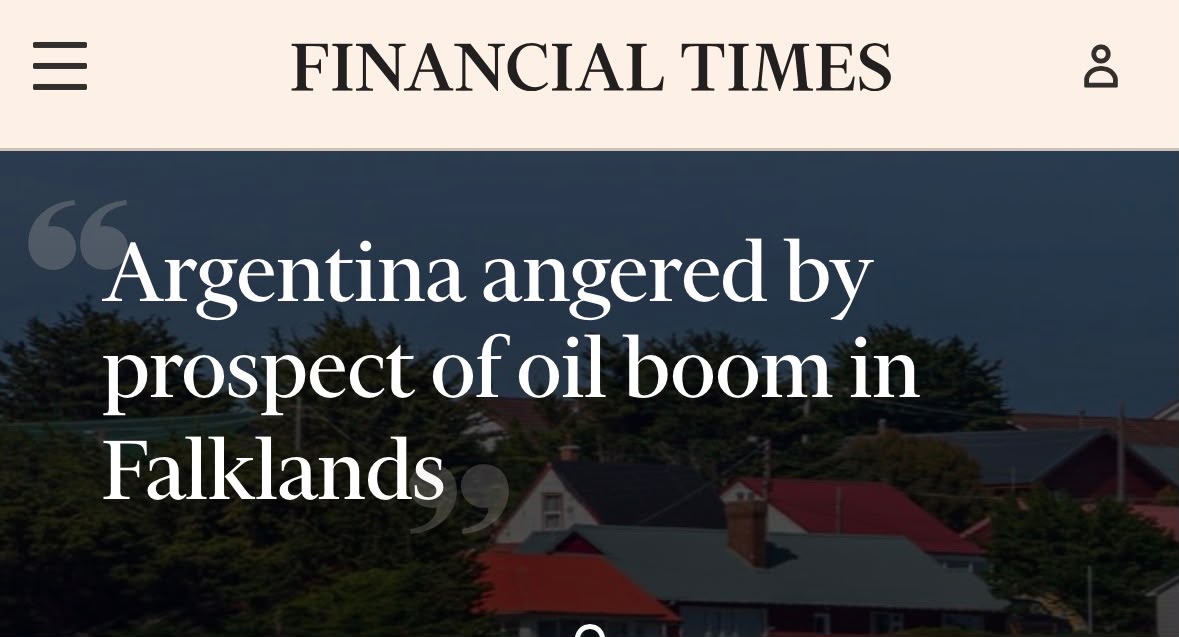
El diario británico Financial Times (FT), histórico vocero de los intereses financieros de la City de Londres, publicó una extensa nota de análisis firmada desde Buenos Aires por la periodista Ciara Nugent. Bajo el pomposo título “Argentina se muestra indignada ante la perspectiva de un auge petrolero en las Malvinas”, el medio pretendió instalar la idea de una fuerte contraofensiva de la diplomacia argentina frente al inminente avance del proyecto Sea Lion, operado por el consorcio transnacional de la israelí Navitas Petroleum y la británica Rockhopper Exploration.
Sin embargo, cuando se desarma el texto con el rigor del periodismo de investigación y se confronta la realidad del Atlántico Sur, queda al descubierto que la nota del Financial Times es, en realidad, un fenomenal ejercicio de desinformación y un guiño político encubierto a la administración de Javier Milei. El artículo no describe una alerta geopolítica real; funciona como un bálsamo de calma corporativa diseñado para que los mercados internacionales y los inversores bursátiles sigan comprando opciones de acciones con la absoluta certeza de que, en el terreno, la Casa Rosada no hará absolutamente nada para frenar el saqueo de los recursos que pertenecen a los argentinos.
La mentira de la "furia" desmentida en off the record
El primer gran engaño del Financial Times radica en su propio titular y en el uso de palabras como "enfurecido" o "indigado" para describir la reacción argentina. El propio cuerpo del artículo se encarga de desmentir esa supuesta hostilidad al revelar lo que los usurpadores conversan en privado.
El diario británico confiesa textualmente: “Los funcionarios de las Malvinas y los analistas energéticos restan importancia en privado a las recientes declaraciones de Milei, considerándolas una demostración de fuerza en materia de soberanía, propia de los políticos argentinos, más que una amenaza real.”
Los usurpadores coloniales y las petroleras tienen perfectamente medido el alcance de la diplomacia libertaria. Saben que los discursos de ocasión del presidente en los actos de abril o el enérgico rechazo de la Cancillería ante las "licencias apócrifas" son puro decorado discursivo para el frente interno. Saben, fundamentalmente, que detrás de la gacetilla de prensa no existe ninguna acción penal, económica, aduanera o punitiva real por parte de la nación suramericana.
El blanqueo del "mejor socio" de Gran Bretaña
Lejos de retratar a un Gobierno argentino dispuesto a activar la ley de hidrocarburos o a reflotar el bloqueo regional a los buques con bandera colonial que se aplicó con éxito en 2011, el Financial Times le envía un mensaje de tranquilidad a las casas matrices de Londres y Tel Aviv. El diario blanquea la verdadera naturaleza ideológica y económica del presidente argentino, a quien los mercados globales consideran el mejor socio en la región desde el siglo XIX.
El artículo confiesa que “Milei ha intentado mejorar las relaciones con Londres, iniciando discretamente conversaciones informales sobre cooperación en materia de defensa en 2025, con el objetivo de levantar las restricciones impuestas por el Reino Unido a la venta de armas británicas a Argentina.” Es decir, mientras el tren del saqueo avanza sobre la plataforma continental, la prioridad real de la Casa Rosada no es defender el patrimonio energético, sino entablar negociaciones reservadas para congraciarse con el aparato militar del usurpador.
El propio FT se encarga de restarle peso a la parálisis de estas gestiones, atribuyéndola meramente al desorden administrativo y los permanentes cambios de nombres en los ministerios de Defensa y Relaciones Exteriores de Milei.
Las verdades de la infraestructura clandestina y el bajo break-even
Donde el Financial Times sí dice la verdad —y de manera alarmante— es al ratificar de punta a punta las investigaciones técnicas y las desgrabaciones logísticas que venimos publicando en Agenda Malvinas. El diario británico confirma que el asalto ya es físico e industrial en el territorio argentino usurpado:
- Las obras civiles de renovación de las instalaciones portuarias y muelles de carga pesada ya comenzaron en la costa de Puerto Argentino.
- Los componentes y piezas prefabricadas para levantar el hotel de tránsito de 160 habitaciones para el personal rotativo, así como la construcción del helipuerto, están programados para arribar en los próximos meses de este año.
- El yacimiento es económicamente blindado: un informe de recursos encargado por Navitas sitúa el punto de equilibrio financiero (break-even) de Sea Lion en apenas 24 dólares por barril, volviéndolo una mina de oro inmune a las oscilaciones del mercado internacional (donde el crudo cotiza a 70 dólares tras el alto el fuego entre EE.UU. e Irán).
El financiamiento de la ocupación militar con el crudo argentino
La revelación más grave y obscena que aporta el artículo del FT, y que destruye por completo las gacetillas de "zona de paz", proviene de la propia Asamblea Legislativa colonial. Los legisladores de la ocupación admitieron de forma abierta que parte de los millonarios ingresos extraordinarios por regalías e impuestos que generará Sea Lion se destinarán de forma directa a financiar la defensa militar del territorio y el mantenimiento de la guarnición del ejército británico en las islas (la base militar de Mount Pleasant), un despliegue de 1.200 efectivos que actualmente le cuesta a Londres decenas de millones de libras al año.
La paradoja geopolítica es total y sangrienta: las corporaciones transnacionales extraerán el petróleo argentino en la Cuenca Malvinas Norte para autofinanciar la fortaleza militar británica que garantiza la usurpación de ese mismo territorio, todo ante el silencio cómplice y la sumisión de una Cancillería que mira para otro lado.
El cartón pintado de la diplomacia libertaria
El artículo del Financial Times desnuda que el proyecto petrolero inyectará ingresos anuales por 280 millones de libras esterlinas para el año 2034 (364 millones de dólares), permitiéndole a la colonia recibir más recursos anuales por hidrocarburos que el propio Reino Unido a través del declinante Mar del Norte. Frente a semejante transformación económica y demográfica de las islas, la respuesta del Gobierno argentino se limita al relato mediático.
La "indignación" de la que habla la prensa británica es cartón pintado. Es una pantalla funcional que le permite a Milei simular ante la opinión pública local un patriotismo de calendario, mientras que a las petroleras les garantiza la impunidad absoluta para seguir cementando muelles, contratando vuelos y amarrando opciones millonarias para los directivos de Rockhopper de cara a 2029. En el gran tablero internacional, el Financial Times ya le avisó a la City de Londres que el tren del despojo avanza a paso firme y con el semáforo en verde que le otorga la propia Casa Rosada.
Tags
Otras noticias de Internacionales
Por el petróleo en Malvinas el Tribunal del Mar convocó a audiencias para el 10 y 11 de noviembre
Estados Unidos busca demoler el Comité de Descolonización y Argentina guarda silencio
Londres dice que acatará al Tribunal del Mar con relación a Sea Lion


