El gobierno argentino, en colaboración con el CONICET, está programando llevar a cabo una nueva expedición oceanográfica para investigar la Corriente de Malvinas y su papel en los ecosistemas marinos. Esta iniciativa refuerza la soberanía argentina en el Atlántico Sur, al generar conocimiento científico de frontera sobre un área de gran valor estratégico y biológico. El proyecto, que sigue la exitosa misión anterior, busca mapear la biodiversidad de los cañones submarinos de Mar del Plata y comprender cómo las corrientes oceánicas sostienen la vida en la región.
Una expedición de vanguardia para el Atlántico Sur
La nueva campaña, liderada por investigadoras del Servicio de Hidrografía Naval (SHN) y el CONICET, se centrará en el estudio de la interacción entre los cañones submarinos y la Corriente de Malvinas. La expedición utilizará tecnología de última generación, incluyendo el robot submarino ROV SuBastian, para observar y filmar ecosistemas a miles de metros de profundidad de manera no invasiva. La Corriente de Malvinas, reconocida como una de las más ricas en nutrientes del planeta, es vital para la biodiversidad del Atlántico Sur. Se cree que su interacción con los cañones submarinos crea corredores que canalizan agua subantártica y nutrientes hacia la plataforma continental, sustentando una enorme productividad biológica.
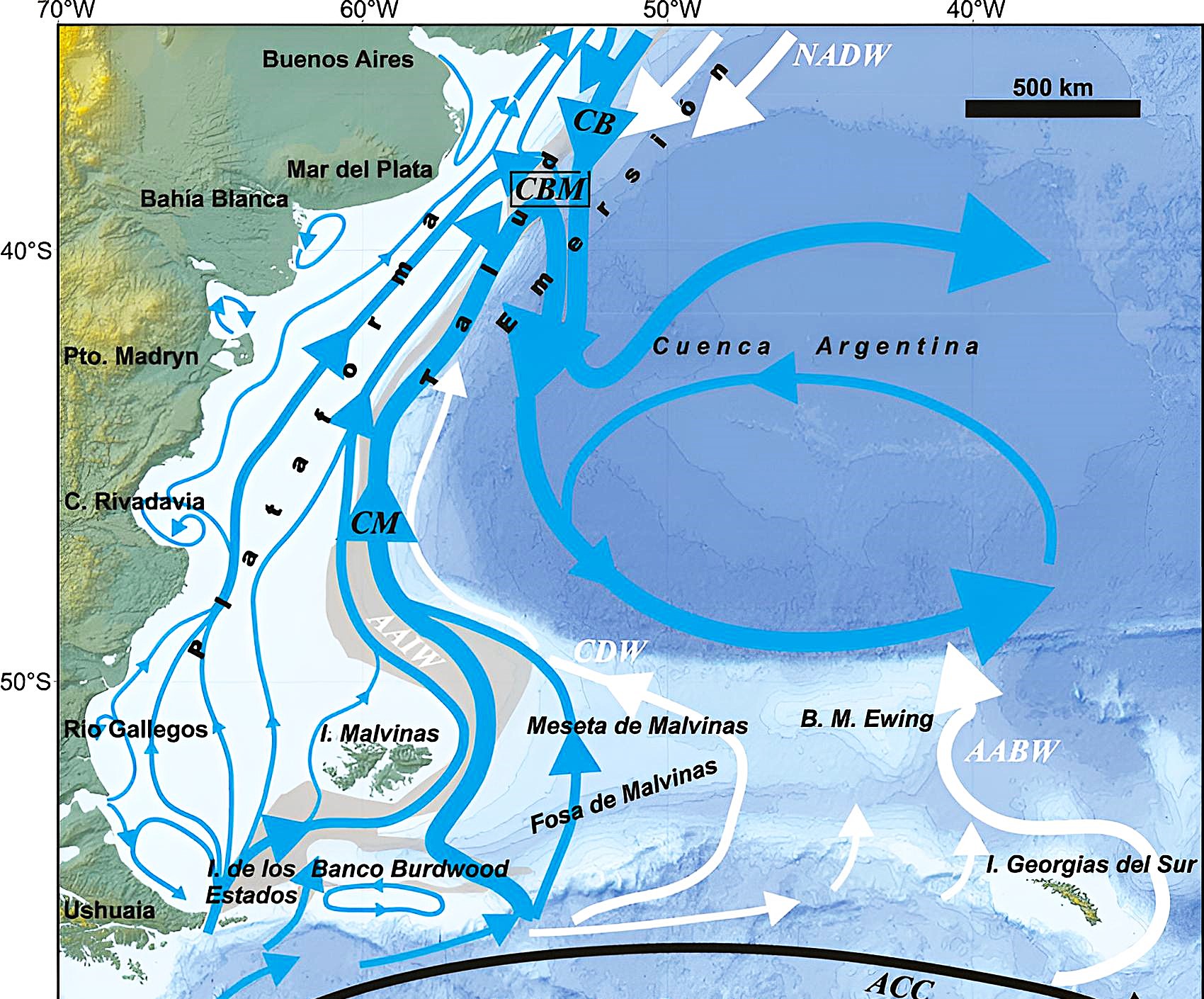
La Corriente de Malvinas es una corriente de agua fría, rica en oxígeno y nutrientes, que nace como una rama de la Corriente Circumpolar Antártica al pasar por el Pasaje de Drake. Fluye hacia el norte a lo largo de la costa patagónica, fertilizando el Mar Argentino y sosteniendo un ecosistema de alta productividad biológica. Se mezcla con la Corriente de Brasil (cálida y salina) cerca de Mar del Plata y sus aguas frías y nutritivas son cruciales para el clima y la pesca en la región.
La ciencia como herramienta de soberanía
El conocimiento científico generado por esta expedición tiene un impacto directo en la ratificación de la soberanía argentina sobre las Islas Malvinas y el Atlántico Sur. Al investigar y documentar la riqueza biológica y los complejos sistemas oceanográficos de la región, Argentina fortalece su posición en el escenario internacional. Los datos obtenidos son esenciales para:
- Gestión de recursos: La información sobre la distribución de especies y la dinámica de las corrientes ayuda a crear políticas de conservación y a gestionar de manera sostenible los recursos pesqueros, combatiendo la pesca ilegal.
- Conservación: La identificación de ecosistemas vulnerables permite el diseño de áreas marinas protegidas, salvaguardando la biodiversidad y los hábitats únicos del fondo marino argentino.
- Presencia geopolítica: La capacidad de Argentina para llevar a cabo investigaciones de esta magnitud demuestra su compromiso y su capacidad tecnológica para explorar y proteger su territorio marítimo, un aspecto crucial en el contexto de las disputas territoriales.
Un modelo de ciencia participativa
Además de su importancia académica y geopolítica, el proyecto destaca por su enfoque en la divulgación científica. La expedición seguirá el modelo de la misión anterior, con transmisiones en vivo a través de plataformas como YouTube y Twitch. Esta iniciativa convierte la exploración oceánica en una experiencia accesible y participativa para toda la sociedad, fortaleciendo el vínculo entre la ciencia y la ciudadanía. El éxito de estas campañas demuestra que el público argentino tiene un interés genuino en el conocimiento sobre el mar. Al compartir los descubrimientos en tiempo real, el Ministerio de Ciencia y Tecnología e Innovación consolida un "ejemplo de democratización del conocimiento público".
Tags
Otras noticias de Atlántico Sur
Con un tercio de sus bodegas cargadas, el petrolero británico dejó Tierra del Fuego y navega rumbo a Texas
La colonia británica suspende la temporada de pesca por la baja histórica del calamar
El 27 de abril de 1997 Gran Bretaña realizó la primera perforación petrolera en Malvinas