La historia suele cobrar deudas de manera inesperada . Durante décadas, el Reino Unido y los Estados Unidos operaron en el Archipiélago de Chagos como si el derecho internacional fuera una sugerencia y no un mandato. Hoy, la última colonia británica en África no solo es el símbolo de una derrota jurídica colonial ante la República de Mauricio, sino que se ha convertido en el epicentro de una confrontación sin precedentes entre los dos aliados históricos del Atlántico Norte
La reciente negativa de la administración de Keir Starmer a permitir que EE.UU. UU. utilizar la pista de Diego García para operaciones de ataque contra Irán ha desatado la furia de Donald Trump. Lo que comenzó como un proceso de descolonización forzado por la Corte Internacional de Justicia (CIJ) y las Naciones Unidas, ha derivado en una crisis que marca el fin de la hegemonía unipolar y pone en jaque la "relación especial" anglo-estadounidense.
Del crimen de lesa humanidad al realismo jurídico
El caso de Chagos es una herida abierta . Desde 1965, el Reino Unido desmembró el territorio de Mauricio para crear el BIOT (Territorio Británico del Océano Índico), expulsando a más de 2.000 chagosianos para alquilar la isla de Diego García a Washington. Como bien ha denunciado Human Rights Watch , este fue un "crimen colonial" basado en la persecución racial y el desplazamiento forzado.
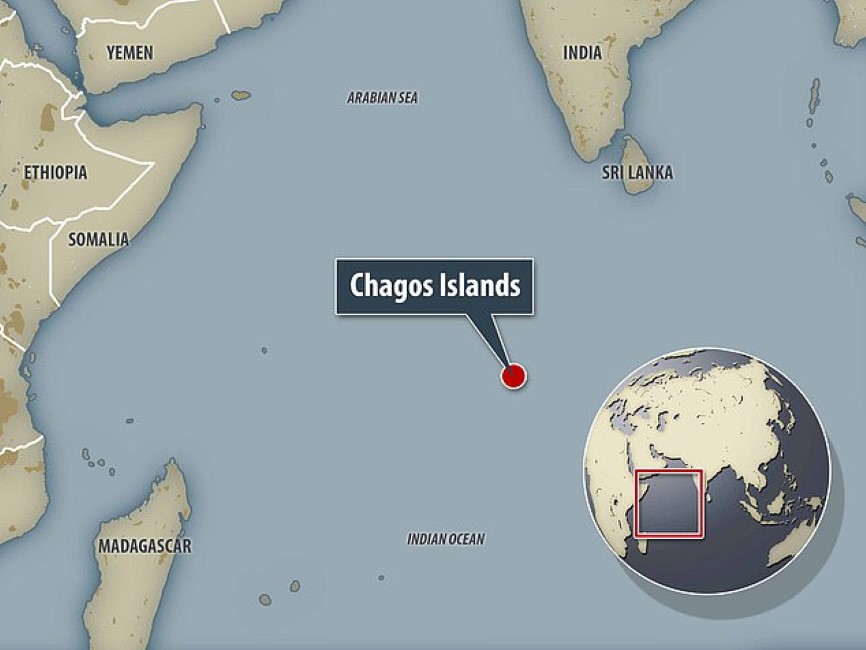
Sin embargo, el viento cambió . Las derrotas diplomáticas de Londres en la ONU (2019) y los fallos de la CIJ dejaron al Reino Unido en una posición insostenible. El anuncio de la devolución de la soberanía a Mauricio en 2024 —aunque con un arriendo de la base por 99 años— fue presentado por los laboristas como "realismo jurídico". Pero para Donald Trump y los halcones republicanos como Marco Rubio , esto es una "amenaza seria" que beneficia a China y debilita la proyección militar estadounidense.
La Ley del Talión: Groenlandia e Irán en la mesa
La tensión ha escalado a niveles de "guerra fría" bilateral . Trump , en su avance expansionista, ha puesto la mirada en Groenlandia , buscando su anexión o control estratégico. El rechazo británico y europeo a esta política, sumado a la guerra comercial de aranceles impuesta por Washington sobre Europa, ha fracturado el frente occidental.
La respuesta de Londres ha sido clara: no habrá check en blanco para atacar a Irán desde suelo (o bases) bajo jurisdicción británica si esto viola el derecho internacional . El temor de Starmer no es solo ético; es el miedo a que el Reino Unido sea cómplice legal de actos ilícitos internacionales. Trump , fiel a su estilo, ha respondido retirando el apoyo al acuerdo de Chagos, dejando al gobierno laborista en un limbo peligroso.
El espejo de Malvinas: Un precedente innegable
Para Argentina, desde el Atlántico Sur, este escenario es revelador. La caída de la tesis británica sobre Chagos destruye los argumentos de la "autodeterminación" que Londres utiliza para sostener la usurpación de las Islas Malvinas.
- En Chagos, como en Malvinas, hubo un desmembramiento territorial .
- En Chagos, la CIJ emite que la descolonización no se integró legalmente.
- En Chagos, la comunidad internacional rechazó que un enclave militar justifique la violación de la integridad territorial de un Estado.
En 2024, la exgobernadora usurpadora en Malvinas, Alison Blake , se apresuró a decir que "los contextos son diferentes" . Sin embargo, el pánico en el Partido Conservador Británico —que llegó a publicar un mapa de Malvinas con la palabra "¿Siguiente?"— demuestra que ellos mismos saben que el muro colonial se está agrietando.
Hacia un nuevo orden
El mundo unipolar, donde una potencia decidió el destino de los pueblos y otro ejecutaba como gendarme, se está acabando . La confrontación entre EE.UU. UU. y el Reino Unido por el uso de bases y la soberanía de territorios distantes es el síntoma de un sistema que ya no puede sostenerse bajo la vieja lógica imperial.
Si el Reino Unido finalmente cede ante la presión internacional en Chagos —incluso contra la voluntad de Washington—, se abre una ventana histórica para la Argentina . La soberanía no se negocia, pero la geopolítica ofrece oportunidades. El caso de Chagos demuestra que, tarde o temprano, la justicia internacional y la realidad de un mundo multipolar terminan por asfixiar a los últimos vestigios del colonialismo en el mundo.
Tags
Otras noticias de Internacionales
U$S 321.000: El precio que pagará la Selección por recordarle al mundo que LAS MALVINAS SON ARGENTINAS
Harbour Energy confiesa en Londres sus millonarias ganancias en Argentina
El Southcom crea una fuerza militar hemisférica con Argentina y 16 naciones más