La reciente comunicación cordial entre el presidente Javier Milei y el candidato presidencial chileno José Antonio Kast ha creado una ilusión de alianza estratégica que podría resultar profundamente engañosa para los intereses argentinos.
Detrás de los emojis de banderitas y las promesas de "progreso económico" se esconde una realidad incómoda y peligrosa: Kast representa una corriente nacionalista chilena que históricamente ha manifestado una postura abiertamente antiargentina, particularmente en materia de soberanía territorial.
Esta posición no es un detalle menor ni una anécdota de campaña, sino un elemento central de su ideario político que Argentina no puede permitirse ignorar en su euforia por encontrar aliados ideológicos.
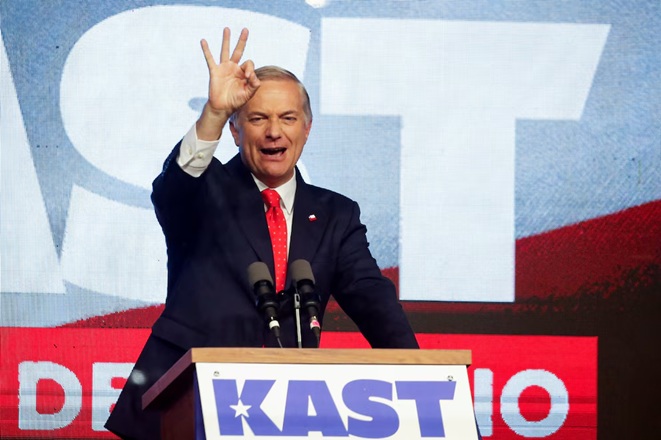
La evidencia sobre el pensamiento de Kast es contundente y permanece a la vista de todos en sus propias redes sociales. Su declaración de que "Argentina ya nos ha robado suficiente territorio a los chilenos" no fue un comentario aislado, sino la expresión de una convicción profundamente arraigada. Este mensaje, publicado en respuesta al entonces canciller Santiago Cafiero por el mapa de la plataforma continental argentina, se completó con el hashtag #LaAntarticaEsChilena, dejando claro que su visión soberanista se construye en oposición directa a los intereses territoriales argentinos.
Lo más preocupante es que, a diferencia de lo que ocurre con otros políticos que moderan su discurso, Kast nunca borró ese tuit, manteniéndolo como testimonio permanente de su posición.
Esta retórica no es improvisada. Kast se alinea explícitamente con académicos como Jorge Guzmán, quien cuestiona abiertamente los tratados limítrofes y promueve una solución jurisdiccional -en lugar de diplomática- para los conflictos territoriales. Guzmán argumenta que Chile debe evitar "involucrarse en proceso de arreglo político del problema (en el cual nuestros mejores derechos siempre se ven relativizados)", una posición que busca judicializar conflictos que hasta ahora se han manejado en el diálogo bilateral. Esta perspectiva representa una amenaza directa a la estabilidad de las relaciones limítrofes y al delicado equilibrio alcanzado a través de décadas de diplomacia.
La advertencia de figuras como el ex embajador Rafael Bielsa, quien calificó a Kast de "xenófobo" y señaló que había "exhibido su antiargentinismo como una etiqueta", adquiere ahora una relevancia crítica. Bielsa no exageraba cuando afirmó tener "perfectamente registradas, archivadas, leídas y estudiadas" las expresiones antiargentinas de Kast. Estas manifestaciones constituyen un patrón de comportamiento que trasciende la mera retórica política para convertirse en una posición de principio.
El entusiasmo mostrado por Milei ante la posible victoria de Kast parece ignorar deliberadamente este aspecto fundamental de su pensamiento. La celebración de una supuesta sintonía ideológica oculta el riesgo concreto que un gobierno de Kast representaría para la soberanía argentina en múltiples frentes: la Patagonia, el Campo de Hielo Continental, la plataforma continental y especialmente la Antártida.
Mientras Argentina necesita concentrar sus esfuerzos en el reclamo de las Malvinas, la llegada de Kast al poder podría forzarla a destinar recursos diplomáticos y políticos a defender territorios que creía firmemente consolidados.
La relación con Chile siempre ha requerido un manejo cuidadoso y sofisticado, pero la posibilidad de un gobierno encabezado por Kast introduce un factor de imprevisibilidad y confrontación que no se veía desde los tiempos del Beagle.
La histórica postura antiargentina de Kast, lejos de ser un detalle anecdótico, constituye el núcleo de su visión de Estado y representa un desafío directo a los intereses territoriales argentinos. Ignorar esta realidad por complacencia ideológica sería un error estratégico de consecuencias imprevisibles para la soberanía nacional.
Tags
Otras noticias de Internacionales
Brasil permite a los usurpadores de Malvinas promocionar el turismo en el WTM de San Pablo
Presionada por EE.UU., Gran Bretaña no devolverá Chagos a Mauricio
Sectores de la política chilena rechazan el apoyo de su presidente a la Argentina por Malvinas